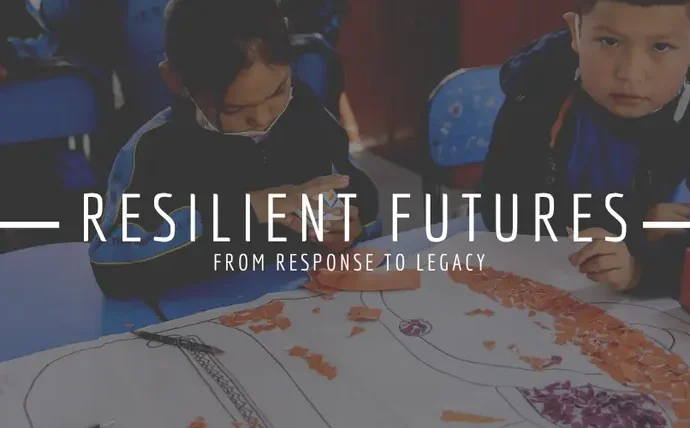
Inspiring a More Resilient Asia-Pacific Through Business, Technology, and Collaboration from China: The Corporate for Good Summit 2025
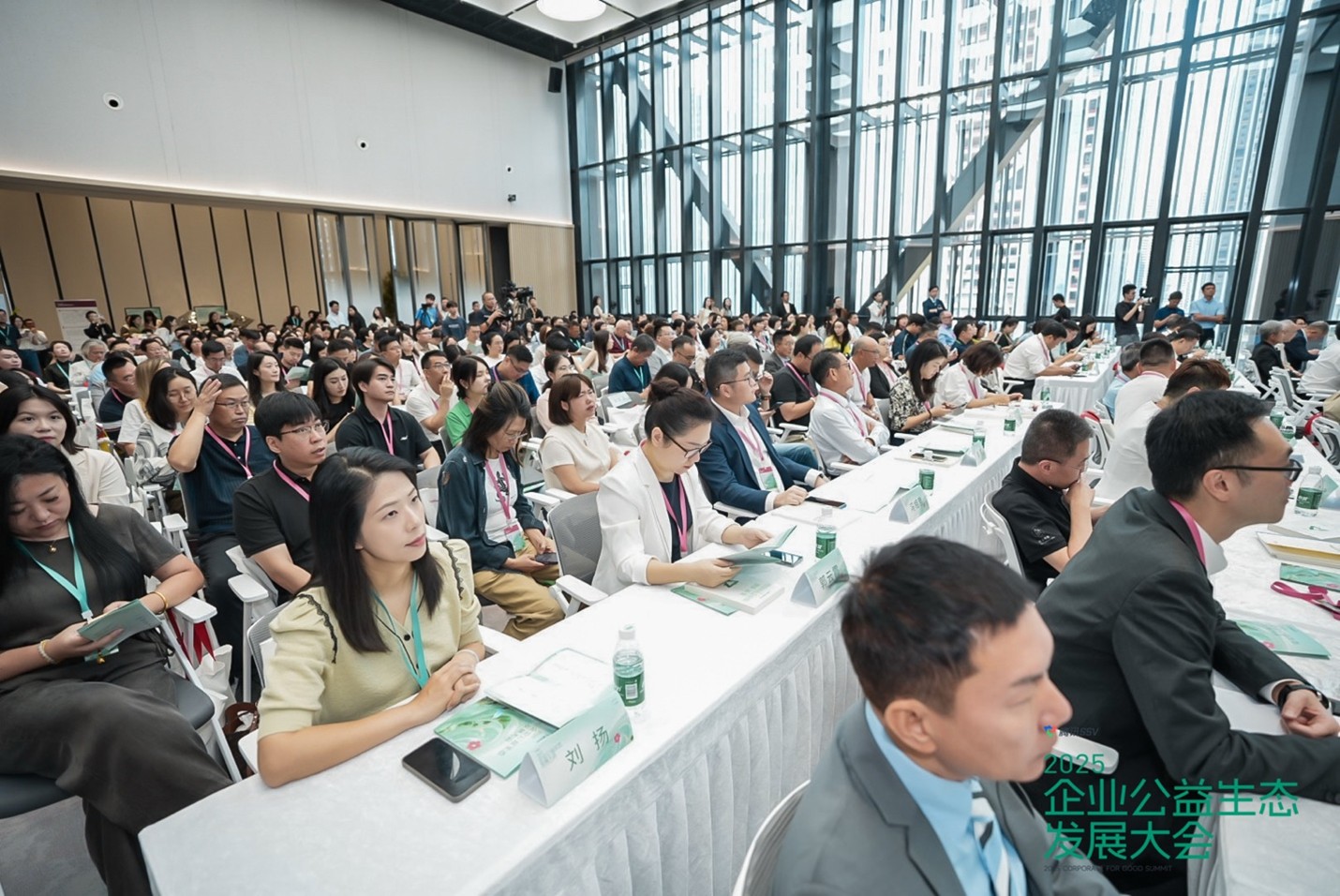
Earlier this month, I had the privilege of attending the 2025 Corporate for Good Summit in Shenzhen, China, thanks to the kind invitation from the Asian Venture Philanthropy Network (AVPN).
Walking into the venue, I was struck by the energy: nearly 300 leaders from business, philanthropy, academia, and social investment gathered with a shared goal: exploring how innovation, technology, and collaboration can create meaningful social impact.
Hosted by Tencent’s Sustainable Social Value (SSV) and supported by AVPN and the China Philanthropy Research Institute, the summit was themed “Empowering Asia’s Business and Tech Ecosystem for Social Impact”. Through keynotes, panels, workshops and a Tech-for-Good Marketplace, the day put the spotlight on the growing momentum of corporate philanthropy in Asia and underscored the importance of accelerating collective action towards lasting social impact.
I was struck by the data shared at the summit: according to Giving China 2024, in 2023 China’s public welfare and charity organizations received 151 billion yuan in donations (almost 18 billion Euros), with corporations donations over 115 billion yuan (just over 13.6 billion Euros), more than 76.58% of the total. Information and manufacturing sectors are leading the way. This reflects not just generosity, but a deeper commitment by Chinese businesses to address pressing societal challenges.
My Keynote: A Call for International Collaboration for Disaster Resilience
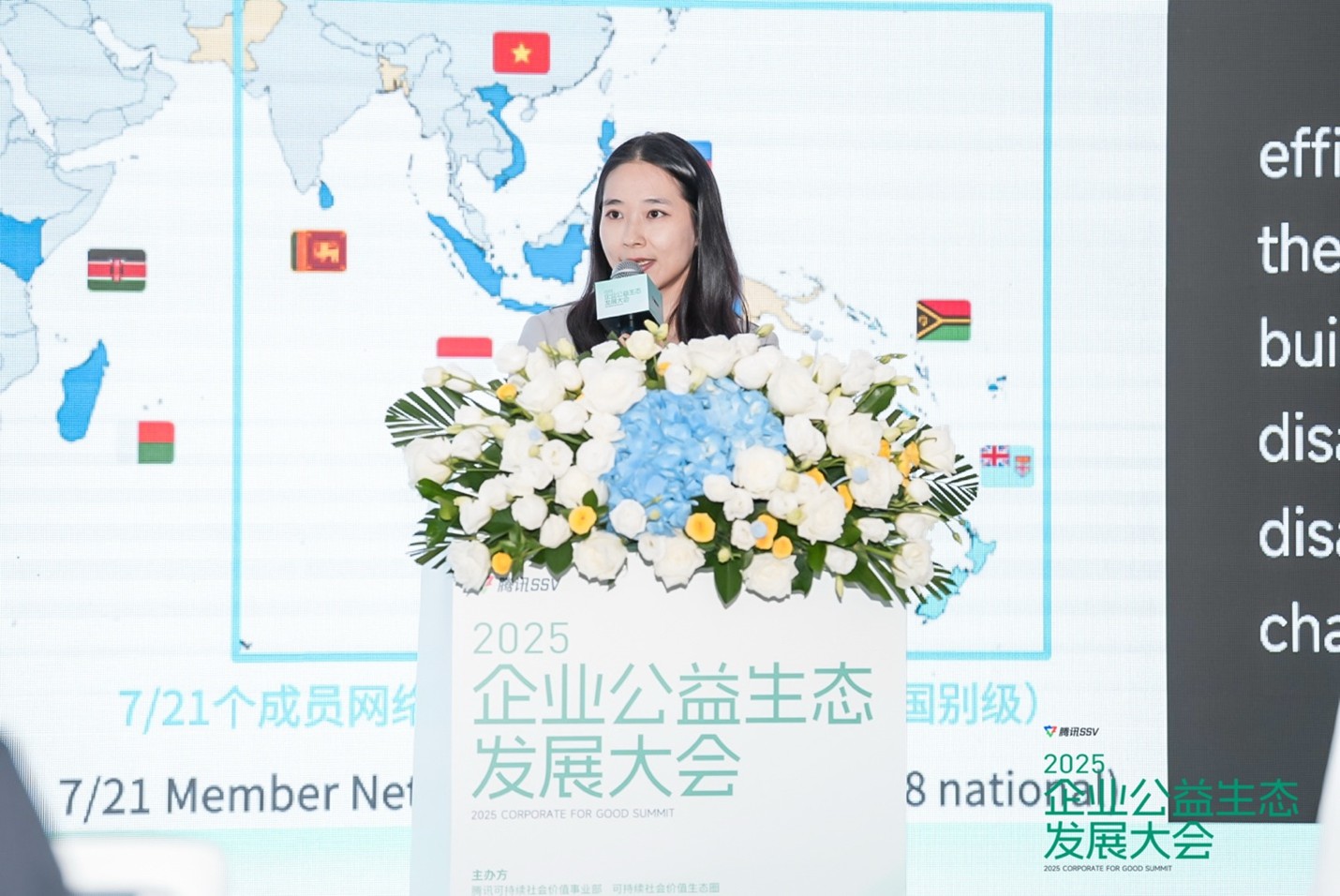
I delivered a breakout session keynote titled “Building a Resilient Asia-Pacific: Harnessing Technology for Good to Foster International Collaboration.”
My message was simple yet urgent: climate change is reshaping our world. The Asia-Pacific region, the most disaster-prone on earth, experiences nearly 45% of global climate-related disasters and is home to more than 75% of those affected. By 2050, climate-related hazards could add USD12.5 trillion in economic losses and cost over two billion healthy life years.
Therefore, building disaster resilience is not a cost, it is an investment.
Given this reality, I shared OCHA’s innovative mechanisms and approaches like Central Emergency Response Fund (CERF) and Anticipatory action (AA), and introduced the OCHA-UNDP Connecting Business Initiative (CBI) as the global “go-to” platform for engaging private sector in disaster resilience.
Concrete examples from CBI Member Networks, from the early warning and location technology in Sri Lanka, the unblocked cash experience in Vanuatu, to the AI-enabled disaster preparedness in Peru, demonstrated how technology and innovative solutions are being applied to tackle humanitarian challenges effectively.
Looking ahead to CBI’s 10th anniversary in 2026, I called on the Chinese private sector to step forward globally, leveraging its technological and digital strengths and innovative solutions to play a leading role in humanitarian action and resilience building.
Innovation in Practice
Throughout the summit, I was deeply inspired by the Chinses business community, with several clear themes emerging:
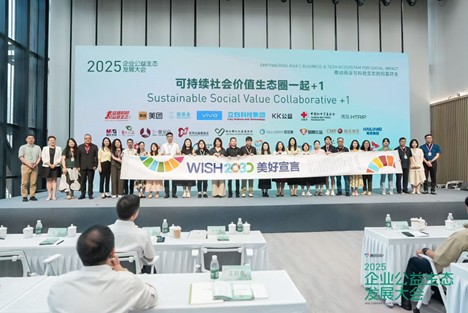
- Collaboration is the New Frontier: The word “ecosystem (生态)” came up again and again, reflecting a collective, cross-sector mindset that CBI and its Member Netowrks have championed. The Tencent SSV Collaborative brings together 45 leading companies and social organizations, exemplifies this spirit. Tencent’s SSV initiative is the company’s dedicated vehicle for integrating technology with social good. Tencent SSV leverages digital and business capabilities to address societal challenges like climate change and aging populations. It offers a platform for collective emergency response, joint learning, and scalable impact. Importantly, the ecosystem is going beyond China. At the summit, AVPN, Philanthropy Asia Alliance, and other Asian networks signed an MOU with Tencent SSV to advance cross-regional collaboration in Asia.
- Technology for Good in Action: Leading Chinese tech voices, including Tencent Foundation, Ping An Insurance, and vivo, shared real-world applications of Tech for Good, highlighting how innovation can drive a more inclusive and sustainable future. For example, during a panel discussion, Ping An Insurance shared that its “Eagle System” sent 4.06 billion early-warning messages last year, reaching over 60 million individuals and companies, showcasing technology-driven disaster preparedness at scale.
Looking Ahead
The summit left me with a profound sense of possibility. The private sector is not just a source of funding, it is a partner in innovation, resilience, and global collaboration. Platforms like the SSV Collaborative, AVPN, and CBI provide pathways for businesses to connect and scale impact in ways previously unimaginable.
For me, the takeaway was clear: building a resilient future starts with building bridges across sectors, borders, and communities. And if the conversations I witnessed in Shenzhen are any indication, that future is already taking shape.