
A Global Model for Private Sector Resilience
PDRF, which celebrated its tenth anniversary in 2021, continues activities responding to the COVID-19 pandemic and its aftermath by mobilizing its member companies to support the national vaccination campaign, reaching out to vulnerable communities including people living with disabilities, providing meals to medical workers in COVID-19 referral hospitals, and organizing workshops on mental health.
PDRF also provided assistance to communities evacuated and affected by the eruption of Taal volcano in July 2021, distributing hygiene kits and children toys. The network engaged on issues related to the climate emergency, co-organizing the Philippine Water Challenge and collecting donations to plant trees during World Humanitarian Day.
The experience and knowledge of PDRF has also been essential in supporting programmes on business continuity. PDRF, with the support of UNDP, OCHA Philippines and CBI, has:
Launched a digital platform called the Synergizing Recovery Initiatives, Knowledge, and Adaptation Practices (SIKAP) MSME Resilience Hub to share tools and resources on response and recovery for MSMEs;
Created “PUHON,” termed after the Cebuano term for “hopefully, in due time”, a strategic foresight planning toolkit for MSMEs;
Developed a training programme on business continuity for hospitals and other Government agencies;
Conducted first responders trainings and the installation of rainwater catchments for clean water.
PDRF was actively involved in the response to Typhoon Rai (known locally as Typhoon Odette), which struck the Philippines on 16 December 2021, claiming 407 lives and displacing more than 500,000 people. Thanks to its private sector-led Emergency Operations Centre, PDRF was ready to intervene within hours. It organized operational briefings for its member companies and partners in coordination with the Government and UN representatives. The network provided 196,000 ready-to-eat meals, transported over 200 tons of goods and assisted about 70,000 families with food rations.
Lastly, PDRF has collaborated with CBI to share their experience through three knowledge products:
- Responding to Multiple Disasters: Case Study on the PDRF Emergency Operations Center and Response to Super Typhoon Goni and Vamco during the COVID-19 Pandemic;
- Guidance on Emergency Response Planning: Lessons from the PDRF Experience;
Integrating Conflict Sensitivity in Private Sector Disaster Management: Lessons from the PDRF
Cover photo: PDRF
RISK PROFILE
An archipelago of over 7,000 islands located in the Pacific Ring of Fire, the Philippines is highly susceptible to natural hazards, including tropical cyclones, earthquakes and volcanic eruptions earning it first place in the 2025 World Risk Index. For the Filipino community, the frequency of these disasters means that preparing for disruptions is part of daily life for every household. Culturally speaking, the population is keenly aware of the different risks that they face, having experienced significant disasters firsthand. They know that working together is the only way to build resilience.
Network at a glance
Host organization
Non-profit organization (registered with the Philippine SEC in 2010)
Headquarters
Pasig City, (formerly Makati City)
Number of members
60+ member companies
Scale / Business reach
National
Contact person
Veronica Gabaldon
Contact email
pdrfcentral@pdrf.org.ph
Areas of focus
Earthquake, Flood, Landslide, Tropical cyclone, Volcanic activity
Building Disaster Resilience in the Philippines
Building disaster resilience in the Philippines
Discover the Philippines Disaster Resilience Foundation (PDRF), a business federation which is a founding member of CBI and has been working to build disaster resilience in the Philippines for the past 10 years.Strategy and Action Plan – Online Course
latest from the Philippines
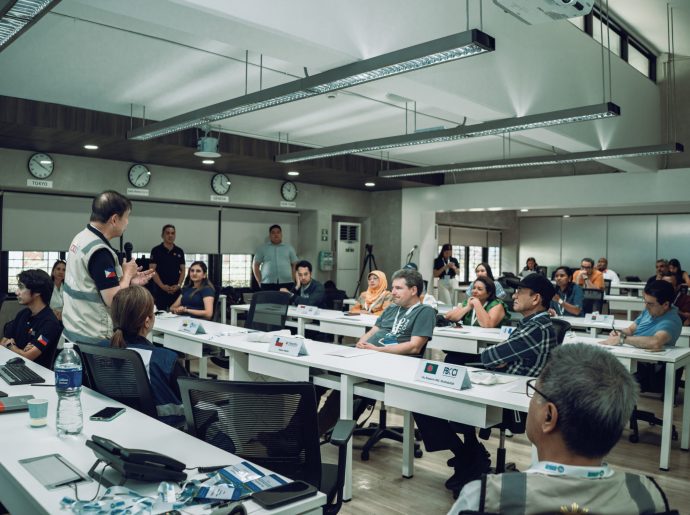
Inaugural Business Emergency Operations Course brings together 19 delegates from 13 countries
Now more than ever, we see the escalating scale and complexity of humanitarian crises worldwide. Disasters are becoming more frequent and severe, driven by…
Inaugural Business Emergency Operations Course brings together 19 delegates from 13 countries
Learning from the Philippines: The Power of Business Networks in Transforming Disaster Management
Imagine government officials and telecommunications firms holding an emergency communications workshop together to improve disaster preparedness. That’s one example of how in the Philippines, cross-sector…
Learning from the Philippines: The Power of Business Networks in Transforming Disaster Management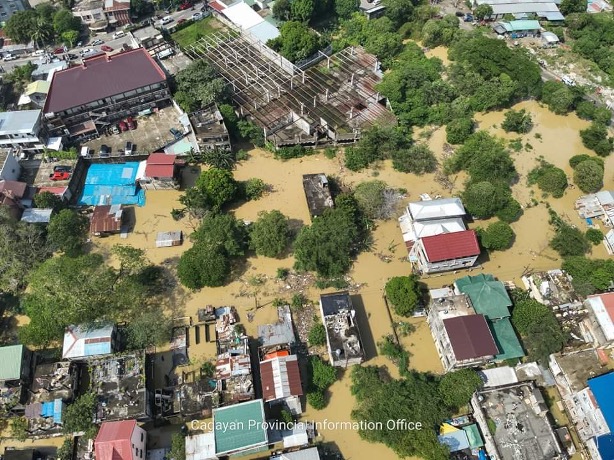
How the Filipino Private Sector Responded to 6 Tropical Cyclones
In November this year, no less than six tropical cyclones landed in the Philippines, causing much destruction, flooding, and landslides, affecting over 9 million people…
How the Filipino Private Sector Responded to 6 Tropical Cyclones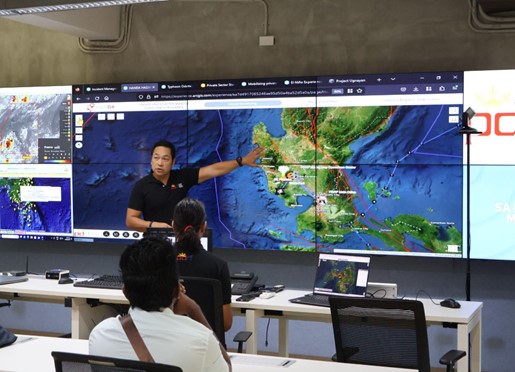
The power of the right information at the right time for disaster preparedness and response
In any disaster, there is widespread confusion, breakdown of communication, and disorder. Such contexts make it challenging for any one entity to respond to…
The power of the right information at the right time for disaster preparedness and response
3 ways the Philippine private sector supported the Mayon Volcano response
Over the past few weeks in the Philippines, the Mayon volcano has and affected almost 38,000 people across 26 barangays, or districts. More than…
3 ways the Philippine private sector supported the Mayon Volcano response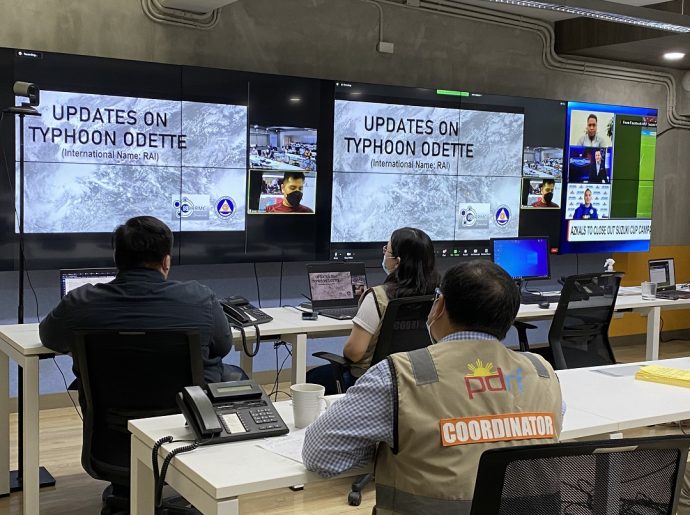
The private sector supports the Typhoon response in the Philippines
Geneva, 23 December 2021 – The private sector in the Philippines is providing critical emergency assistance to communities affected by Typhoon Rai. The Philippine…
The private sector supports the Typhoon response in the Philippines
PDRF, UNDP, OCHA launch information hub SIKAP to help MSMEs bounce forward to next normal
MANILA, 22 May 2020 — With the support of the Connecting Business Initiative (CBI), the Philippine Disaster Resilience Foundation (PDRF), in partnership with the…
PDRF, UNDP, OCHA launch information hub SIKAP to help MSMEs bounce forward to next normal
Gender advocates call for more inclusive COVID-19 vaccine programs
UNFPA, the United Nations Population Fund in the Philippines, together with the Philippine Disaster Resilience Foundation’s (PDRF) Project K3 and gender advocacy organizations, called…
Gender advocates call for more inclusive COVID-19 vaccine programs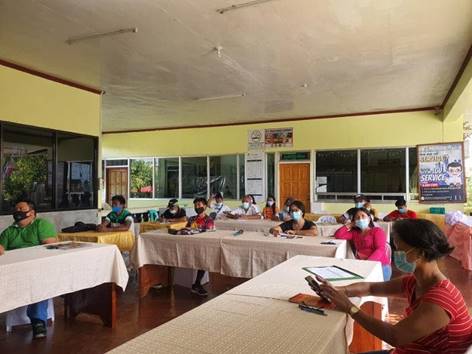
Plan International, UNFPA, PDRF conduct vital gender training for first responders
The Philippine Disaster Resilience Foundation (PDRF) and the United Nations Population Fund (UNFPA) supported Plan International’s training of first responders from nine barangays in…
Plan International, UNFPA, PDRF conduct vital gender training for first responders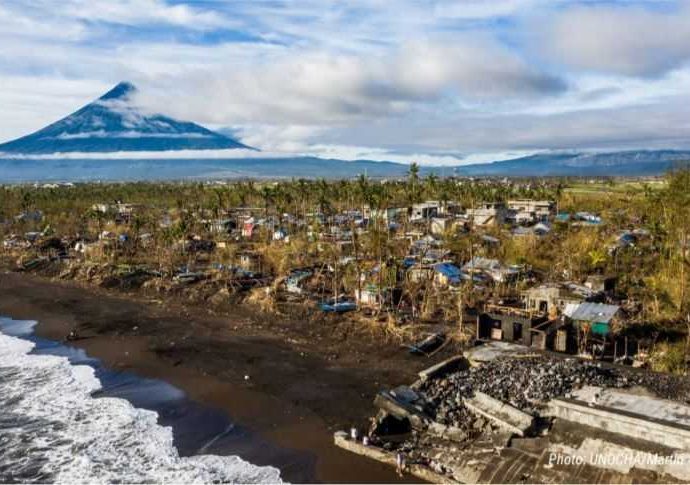
The Philippines: Responding to a triple crisis
In the Philippines, a country with an average of 25 typhoons per year, 21 active volcanos and regular earthquake threats, addressing natural hazards requires…
The Philippines: Responding to a triple crisis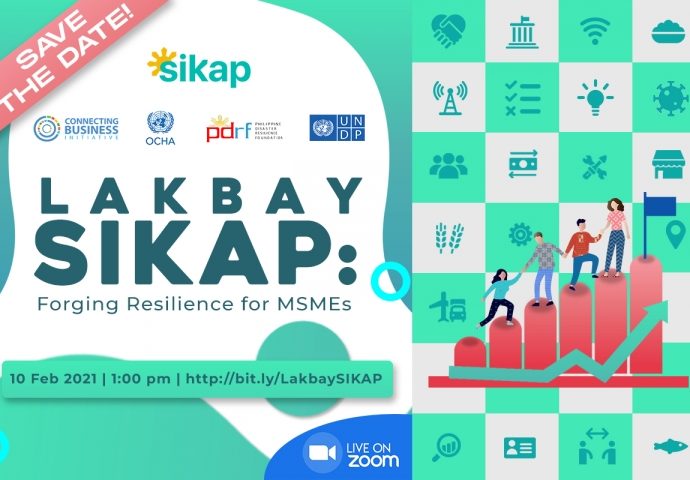
PDRF launches SIKAP digital hub for MSMEs resilience
The Philippine Disaster Resilience Foundation (PDRF)’s micro, small, and medium-sized enterprises (MSME) online resource hub, SIKAP, recently launched its improved gamified platform geared towards…
PDRF launches SIKAP digital hub for MSMEs resilience
Private sector launches resilience program for hospitals and healthcare workers
The Philippine Disaster Resilience Foundation (PDRF)’s Project K3 recently launched a special mentorship program on public service continuity to help local healthcare workers minimize…
Private sector launches resilience program for hospitals and healthcare workers
Digital transformation key to recovery of education and business sectors amid pandemic
09 NOVEMBER 2020, MANILA—As part of the Philippine Preparedness Partnership (PhilPrep), the Philippine Disaster Resilience Foundation (PDRF) recently highlighted the need for strengthened collaboration…
Digital transformation key to recovery of education and business sectors amid pandemic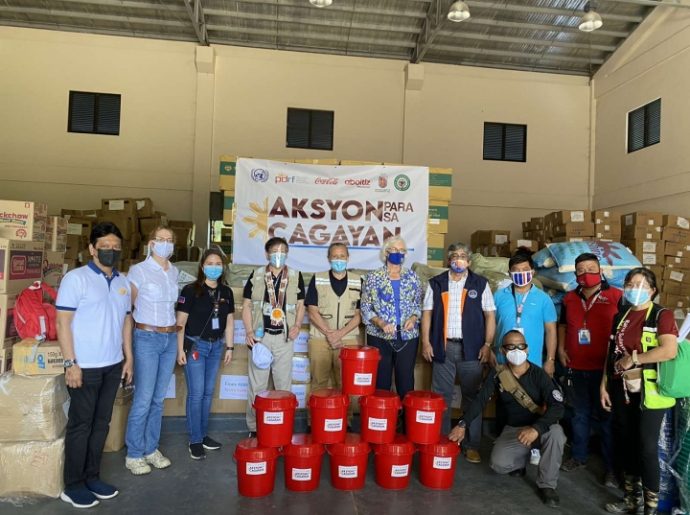
PDRF mobilizes private sector to deliver aid to Ulysses-torn Cagayan
24 NOVEMBER 2020, TUGUEGARAO CITY—The Philippine Disaster Resilience Foundation (PDRF) and its private sector partners delivered food and non-food relief items to the Office…
PDRF mobilizes private sector to deliver aid to Ulysses-torn Cagayan
Philippines’ first-ever guidebook on public service continuity planning launched
30 SEPTEMBER 2020, MANILA—To mark another milestone in building the disaster resilience of the Philippines, the Office of Civil Defense Capacity Building and Training…
Philippines’ first-ever guidebook on public service continuity planning launched
Fundraising for healthcare frontliners raises 92 million pesos, provides 200,000 PPEs for 70 hospitals
Project Kaagapay, a fundraising initiative that began last April to provide much-needed personal protective equipment (PPE) for the country’s healthcare community, has raised almost…
Fundraising for healthcare frontliners raises 92 million pesos, provides 200,000 PPEs for 70 hospitals
Fostering Resilience: A learning exchange between Ecuador and the Philippines
In September this year, a delegation from Ecuador that included the CBI Member Network, the Cámara de Industrias y Producción (Chamber of Industries and…
Fostering Resilience: A learning exchange between Ecuador and the Philippines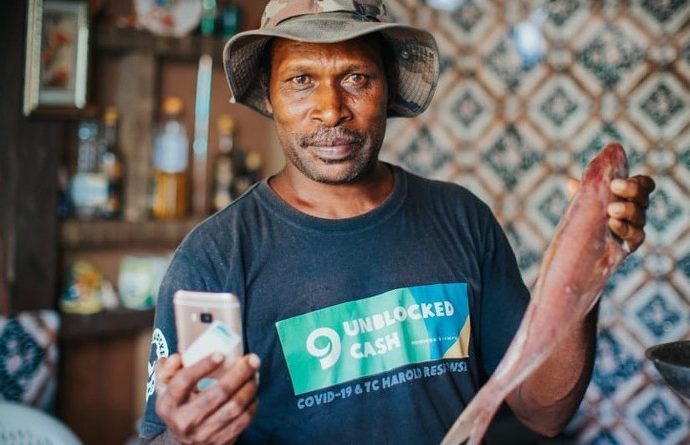
Bridging Science and Business Solutions to Foster Disaster Resilience
Co-authored by Dr. Mona Chhabra Anand, Asia Disaster Preparedness Center (ADPC); Firzam “Hush” Hashim, Asia Pacific Alliance for Disaster Management (A-PAD); Silvestre Z. Barrameda…
Bridging Science and Business Solutions to Foster Disaster Resilience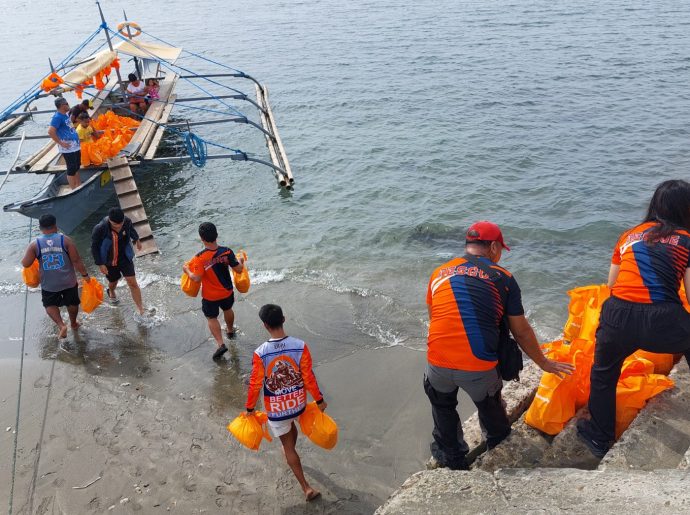
The Philippines mobilizes to respond to Tropical Cyclones Trami and Kong-Rey
A few days ago, the Philippine Disaster Resilience Foundation (PDRF), a CBI Member Network, hosted a virtual Network Briefing with its member and partner…
The Philippines mobilizes to respond to Tropical Cyclones Trami and Kong-ReyResponding to Multiple Disasters: Case Study on the Philippine Disaster Resilience Foundation Emergency Operations Center and Response to Super Typhoon Goni and Vamco during the COVID-19 Pandemic
As COVID-19 continued to threaten business operations and health conditions, the Philippines had to also deal with Super Typhoon Goni (known locally as Rolly)…
Integrating Conflict Sensitivity in Private Sector Disaster Management: Lessons from the Philippine Disaster Resilience Foundation
When a disaster strikes, aid interventions can have unintended consequences, and lead to social tensions and ultimately more violence – even in otherwise peaceful…
Türkiye earthquakes 2023: Lessons learned on business engagement in the humanitarian response
The earthquakes that struck Türkiye and Syria in February 2023 prompted a major humanitarian response led by the Turkish Government and supported by the…
Private Sector Partnerships in Disaster Management in the Philippines – A Story of Resilience Through Relationships
In the Philippines, the private sector has become a key partner in disaster preparedness, response and recovery, working alongside the Government, the United Nations…

Get your business ready for crises: Free online training on business continuity
{“preview_thumbnail”:”/sites/default/files/styles/video_embed_wysiwyg_preview/public/video_thumbnails/OKdXf8y4o7k.jpg.webp?itok=6MMNqivH”,”video_url”:”https://youtu.be/OKdXf8y4o7k”,”settings”:{“responsive”:1,”width”:”854″,”height”:”480″,”autoplay”:0},”settings_summary”:[“Embedded Video (Responsive).”]} This training features an online workshop via Zoom and a self-paced online course on the CBI learning platform. Small businesses, often referred to as…
June 30, 2022
Get your business ready for crises: Free online training on business continuity Asia-Pacific Ministerial Conference on Disaster Risk Reduction (APMCDRR) 2024
In the context of the Asia-Pacific Ministerial Conference on Disaster Risk Reduction (APMCDRR) 2024, CBI is partnering with a number of other organizations to…
October 14, 2024
Asia-Pacific Ministerial Conference on Disaster Risk Reduction (APMCDRR) 2024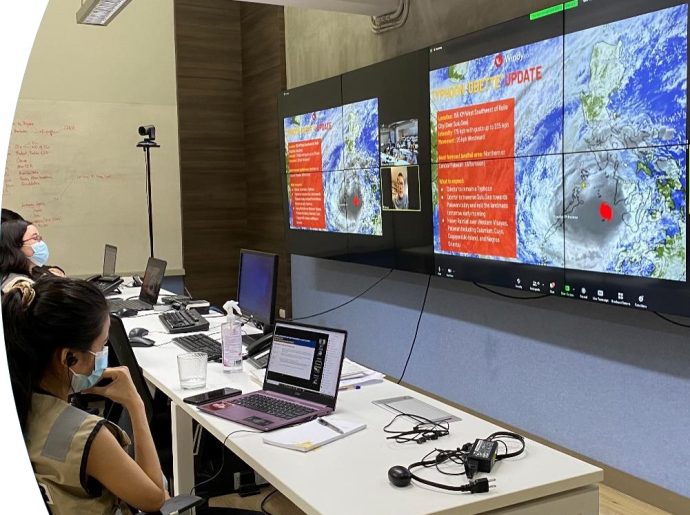
Business-led Emergency Operations Center (BEOC) Course
Now more than ever, we see the escalating scale and complexity of humanitarian crises worldwide. Disasters are becoming more frequent and severe, driven by…
September 11, 2024
Business-led Emergency Operations Center (BEOC) Course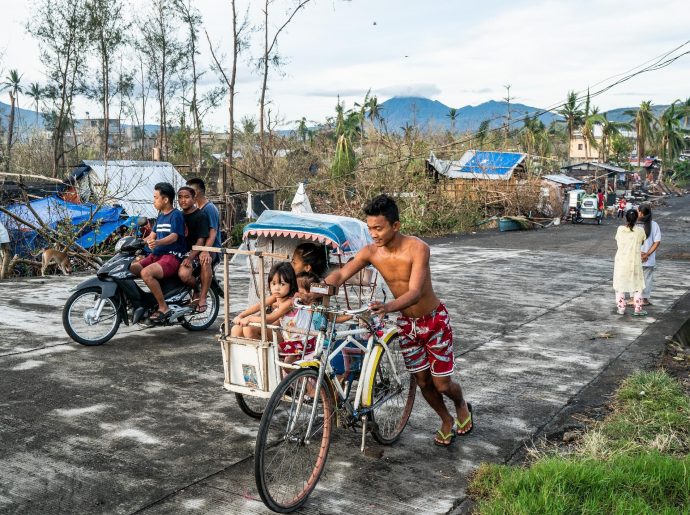
Investing in Resilience: Learning from the Philippines
Resilience is defined as the capacity to recover quickly from difficulties. In the context of disasters, this runs the gamut from preparing for emergencies…
Investing in Resilience: Learning from the Philippines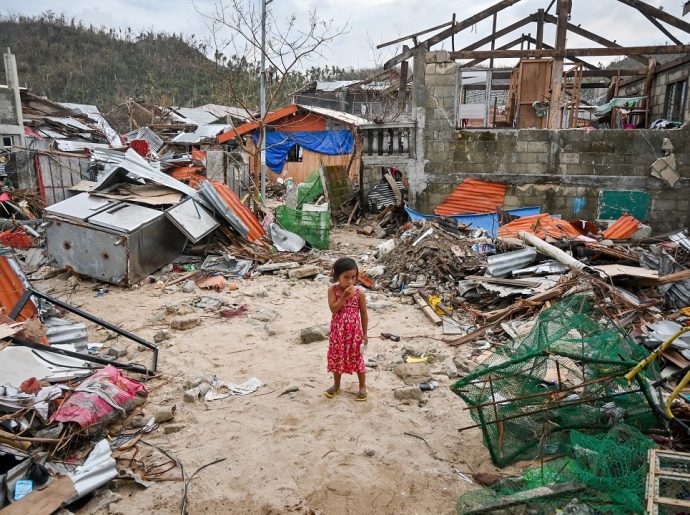
Five things you need to know about the response to Typhoon Rai in the Philippines
On 16 December 2021, Super Typhoon Rai swept across 11 of the Philippines’ 17 regions, claiming over 400 lives and affecting almost 10 million…
Five things you need to know about the response to Typhoon Rai in the Philippines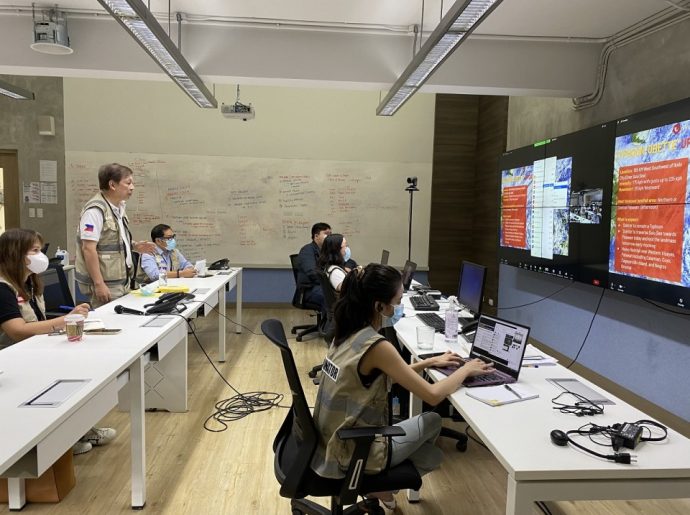
Championing early warning and action: How the private sector addresses extreme weather events
At the Connecting Business initiative, we work with businesses in many of the countries that are most exposed and vulnerable to the impacts of…
Championing early warning and action: How the private sector addresses extreme weather events
Enhancing Resilience through Business Continuity Planning
This year, for the World Micro-, Small and Medium-Enterprise (MSME) Day on June 27, the United Nations set the theme of “Galvanizing MSMEs worldwide…
Enhancing Resilience through Business Continuity Planning
El Niño is back: 5 Reasons why businesses must take action
Earlier this year, Peru was affected by coastal El Nino (which could be considered the “little brother” of the global version of the phenomenon).…
El Niño is back: 5 Reasons why businesses must take action
Rising to the Challenge: Private Sector’s “No Matter What” Commitment to Climate and Disaster Resilience
This year, #nomatterwhat is the theme for World Humanitarian Day, highlighting the continuing commitment to deliver humanitarian support to affected communities no matter the…
Rising to the Challenge: Private Sector’s “No Matter What” Commitment to Climate and Disaster Resilience
From Intent to Action: Private Sector Engagement for a Disaster Resilient ASEAN community
The last time I attended an ASEAN event on disaster management was in 2016 in Jakarta, Indonesia. It was the workshop on developing the…
From Intent to Action: Private Sector Engagement for a Disaster Resilient ASEAN community
Private sector engagement in fragile situations and conflict-affected areas: Reducing need through strengthened collaboration
The dynamics of fragility, conflict and crises around the world have become more complex. About one in five countries around the world are considered…
Private sector engagement in fragile situations and conflict-affected areas: Reducing need through strengthened collaboration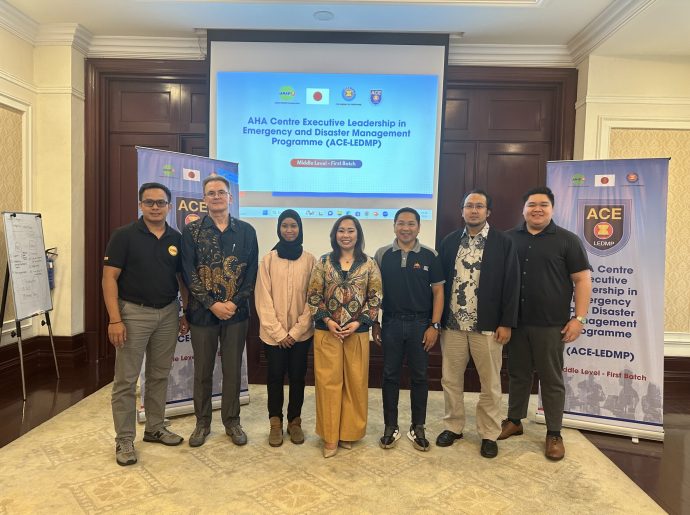
Fostering a more resilient ONE ASEAN through public-private partnerships in disaster management
My last visit to Jakarta, Indonesia was eight years ago, when I joined a workshop to develop the ASEAN Joint Disaster Response Plan. This…
Fostering a more resilient ONE ASEAN through public-private partnerships in disaster management
The Connecting Business initiative welcomes new partners from Chile and Guatemala
Three new organizations have joined the Connecting Business initiative (CBI) as partners, known as Member Networks. They were welcomed during a ceremonial launch as…
The Connecting Business initiative welcomes new partners from Chile and Guatemala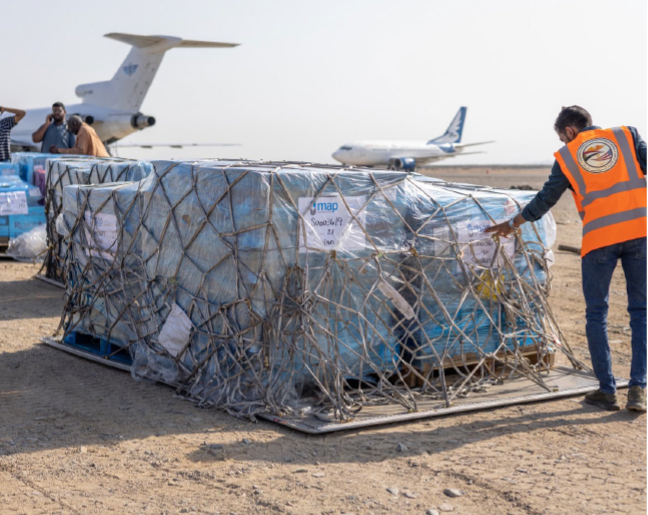
A case for cross-sector partnership: The power of logistics
In response to Cyclone Chido that made landfall in Mozambique in December 2024, Airlink Inc. (Airlink) devised a plan to get a shipment of…
A case for cross-sector partnership: The power of logistics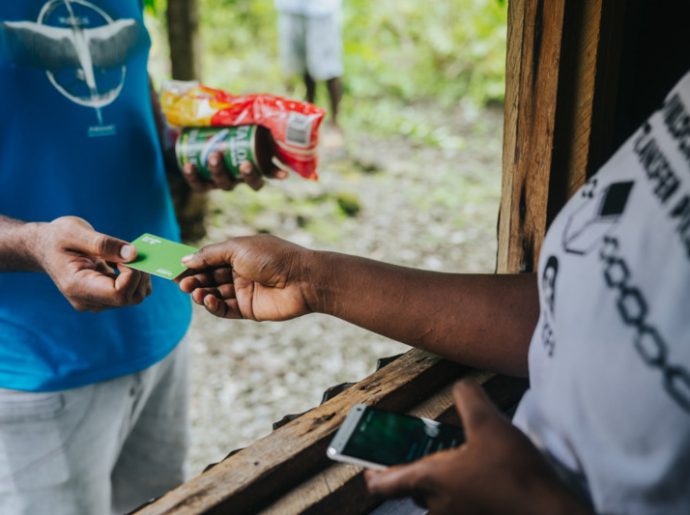
From Vaults to Villages: How Banks Build Financial Resilience in Crisis Response
What comes to mind when you picture a bank supporting a flood response? Access to cash? Ensuring liquidity? What about the vulnerability of the…
From Vaults to Villages: How Banks Build Financial Resilience in Crisis ResponseCBI Progress Report 2020
The Connecting Business initiative (CBI) Progress Report provides an overview of the achievements in 2020 and results of the CBI Annual Survey. CBI supported…
Brochure: CBI COVID-19 response
CBI has been and is still working closely with the UN system, private sector networks and the broader business community to address the COVID-19…
CBI Progress Report 2019
CBI Progress Report 2019 provides an overview of the achievements of CBI in 2019 as well as the results of the CBI Annual Survey.…
Inter-networks learning visit to Manila
The Connecting Business Initiative arranged an inter-networks learning visit for its Member Networks from Asia and the Pacific, including a prospective partner in Indonesia,…
CBI Progress Report 2017
CBI Progress Report 2017 provides an overview of the achievements and results of the first CBI Annual Survey. Whereas feedback has been overwhelmingly positive,…
Situational Reports for COVID-19 activities in CBI Member Network countries
The Situational Reports (SitReps) for COVID-19 present a brief overview of key figures such as the status of COVID-19 cases as well as the…
Situational Reports for COVID-19 activities in CBI Member Network countriesGuidance on Emergency Response Planning: Lessons from the PDRF Experience
This guidance note is meant for private sector networks who are currently engaged in emergency operations and who are interested to know more about…
Guidance Note: Conflict Sensitivity in Private Sector Disaster Management
The Connecting Business initiative (CBI) Guidance Note explains how conflict sensitivity is relevant to private sector disaster management. It provides an overview of the…
The Connecting Business initiative submission to the United Nations Secretary-General’s High-Level Panel on Internal Displacement
This paper outlines recommendations from the Connecting Business initiative (CBI) Secretariat to the UN Secretary-General’s High-Level Panel on International Displacement with a focus on…