What Are CBI member Networks?
Our global impact at a glance
Capacity Building & Training
Adapted training modules for regional staff on engaging private sector networks during crises.
Standard Operating Procedure (SOP) Development
Assistance in developing SOPs for public-private collaboration.
Resilience Network
Establishing the right contacts and connections to facilitate crisis resilience.
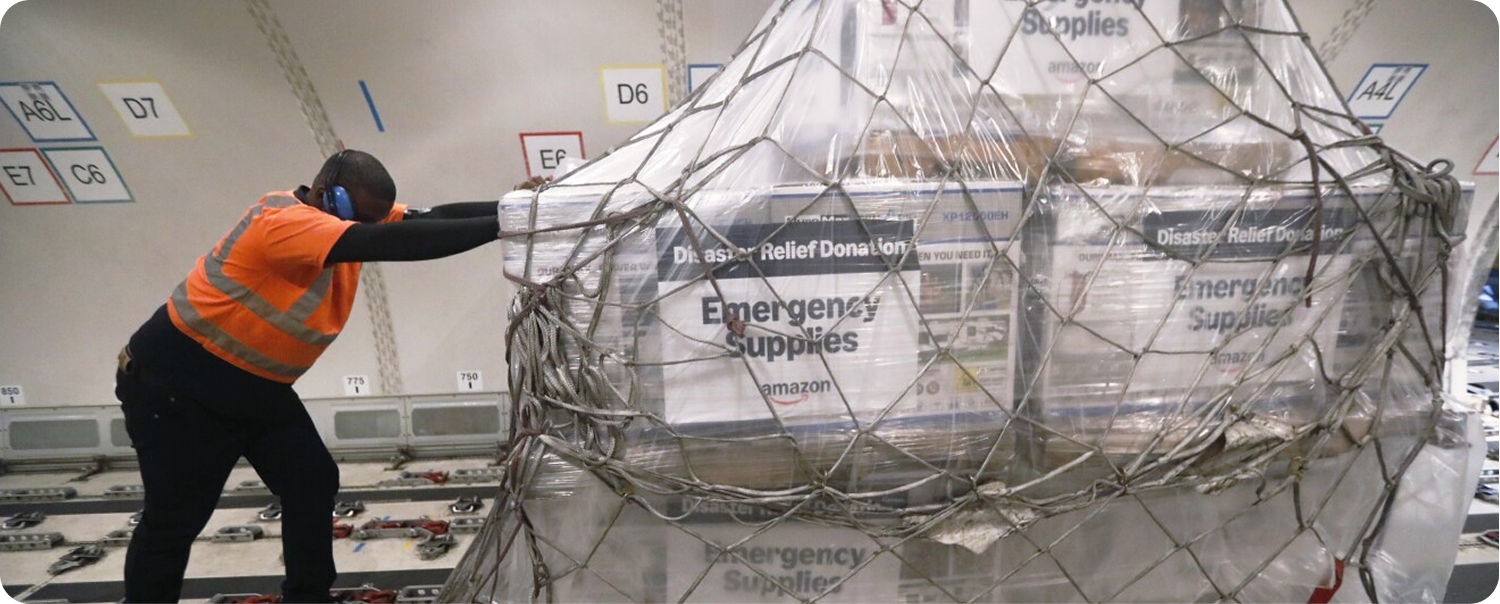
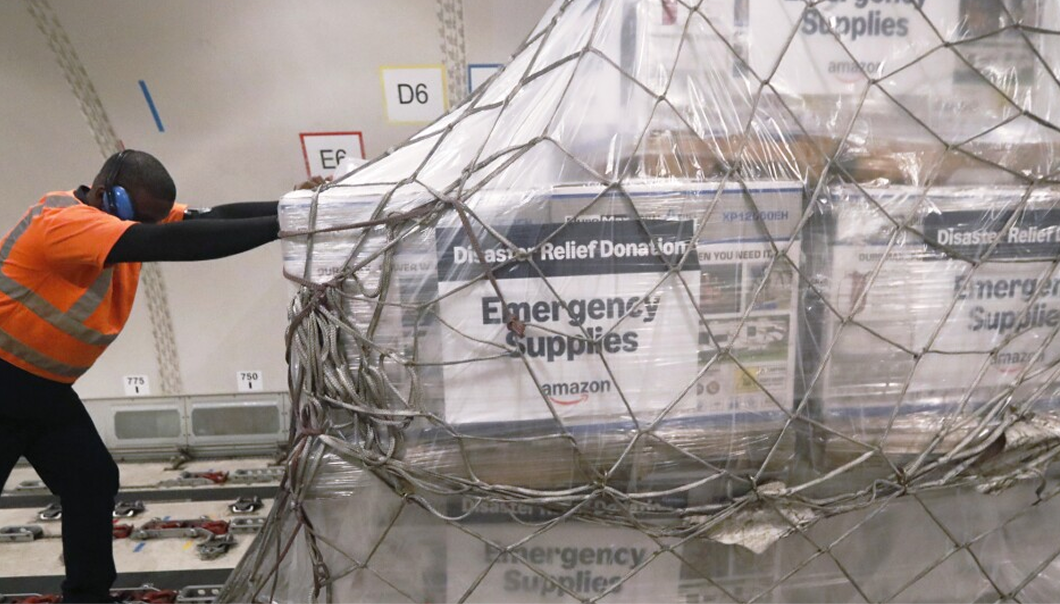
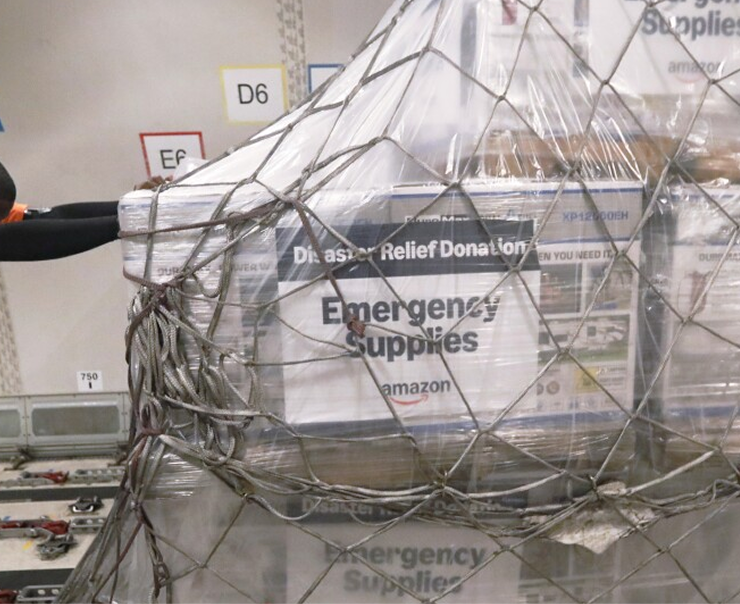
CBI Member Networks send aid worldwide, responding to emergencies both at home and abroad, often overcoming major logistical challenges.
Why regional bodies join CBI
Discover the strategic advantages of becoming part of our global coordination network.
-
Access to global network
Connect with a worldwide community of local and regional bodies, private sector partners, and disaster management experts sharing good practices and lessons learned.
-

Enhanced response efficiency
Improve disaster response times and effectiveness through streamlined coordination mechanisms with pre-established private sector networks and other partners.
-

Capacity building resources
Gain access to specialized training programmes, toolkits, and technical assistance designed specifically for coordination challenges.
-

Risk reduction strategies
Access comprehensive risk assessment tools and mitigation strategies that integrate both government and private sector capabilities.
-
Proven partnership models
Leverage tested frameworks and SOPs for public-private collaboration that have been successfully implemented across multiple regions.
-

Funding & resource mobilization
Benefit from advocacy support and funding opportunities specifically designed for regional coordination and crisis resilience initiatives.
insightful Case studies
Success stories of coordination and impact
From Vaults to Villages: How Banks Build Financial Resilience in Crisis Response
From Vaults to Villages: How Banks Build Financial Resilience in Crisis ResponseFrom Vaults to Villages: How Banks Build Financial Resilience in Crisis Response
Banks can provide the infrastructure that makes response faster, more efficient, and more locally rooted. From mobile money waiving fees to foundations building health…
Private Sector Partnerships in Disaster Management in the Philippines – A Story of Resilience Through Relationships
In the Philippines, the private sector has become a key partner in disaster preparedness, response and recovery, working alongside the Government, the United Nations…
Featured resource
Success stories of coordination and impact
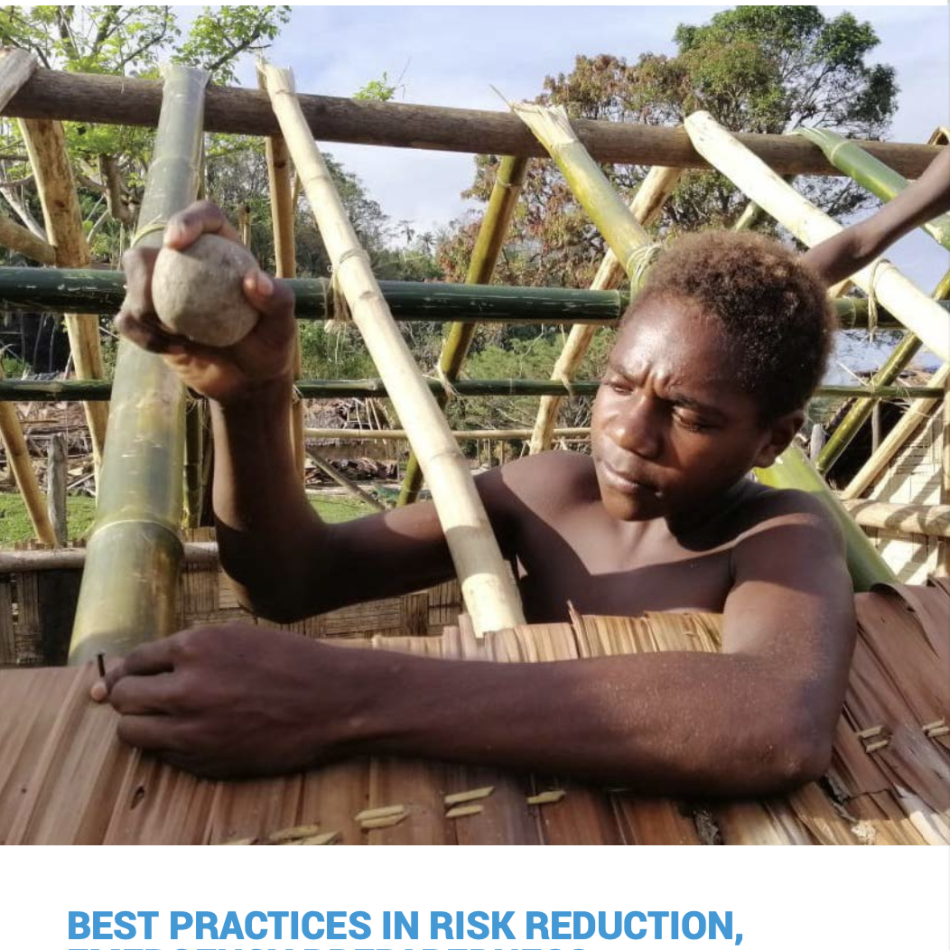
Case study from Vanuatu: Best practices in risk reduction, emergency preparedness, response and recovery
The Vanuatu Business Resilience Council (VBRC) was created in 2017, two years after Category 5 Cyclone Pam struck Vanuatu and caused widespread devastation.
Frequently asked questions
Everything you need to know about joining the CBI community and participating in crisis resilience with support and visibility.
CBI is always open to collaborating with regional bodies or governments, whether on an ad hoc basis or by extending invitations to regional or global workshops (in-person) and other relevant events both in-person and virtual.
One way to stay up to date on upcoming events is to join the CBI mailing list (scroll to the bottom of the page).
One of the most valuable aspects of CBI is peer-to-peer learning between CBI partners. Beyond borders, CBI partners often connect and learn from each other based on risk profiles and specific challenges faced.
As such, the CBI Member Network in Peru has much to exchange with the Philippines and Turkiye in terms of earthquake preparedness, response, and recovery, for example.
Similarly, innovative approaches are often replicable and adjustable across different contexts.
Last but not least, the community of CBI Member Networks is always growing, so there not being a or numerous Member Networks in your geography may change at any time (and you could also support that happening!).
Do you have a question that isn’t in the FAQ above? Reach out and we’ll get you an answer: ConnectingBusiness@un.org.