Local Innovation, Regional Impact: Caribbean’s Private Sector Steps Up for Emergency Preparedness
- Barbados
- Latin America and the Caribbean
- Innovation and new technologies
- Preparedness
- Response
- Small- and medium-sized enterprises
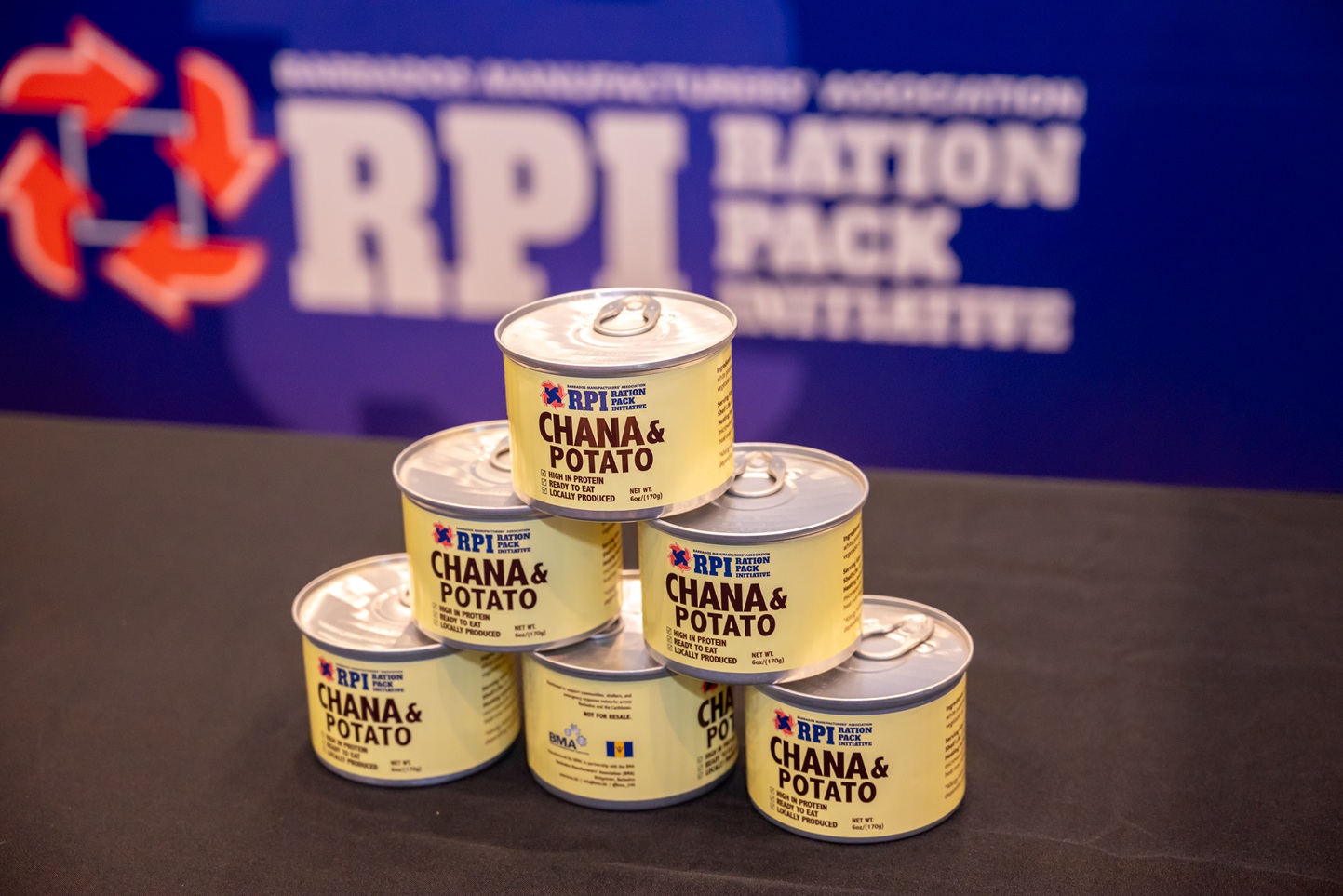
In the aftermath of an extreme weather event such as a hurricane, people might end up in shelters. Even if they don’t, the power often goes off, leaving refrigerators off and most cooking stoves unusable. So, what do people eat? Often, they depend on emergency response provisions – packs of aid or community kitchens providing meals. In Barbados, locally sourced, seasonal meals will soon be available in cans, ready to eat and full of local flavors.
The Ration Pack Project: A collaboration between the Barbados private sector, farmers, and academia
The Barbados Manufacturers’ Association (BMA), in collaboration with academic and government partners, has launched a pioneering initiative: the Ration Pack Project, a locally produced, ready-to-eat meal solution designed to support emergency response across the Caribbean.
Born out of the challenges of the COVID-19 pandemic and compounded by regional disasters such as the 2021 eruption of La Soufrière volcano in Saint Vincent and Hurricane Beryl in 2024, the Ration Pack Project is a testament to strategic thinking combined with community-driven action. With global supply chains disrupted and food security under threat, BMA recognized the urgent need for a sustainable, locally sourced solution.
“We wanted to ensure that in times of crisis, our people could access nutritious, culturally familiar meals without the need for preparation,” said Shardae Boyce, Executive Director of BMA. “This project is 100% Bajan—from the food to the packaging—and it’s designed with dignity and practicality in mind.”
“We wanted to ensure that in times of crisis, our people could access nutritious, culturally familiar meals without the need for preparation. This project is 100% Bajan—from the food to the packaging—and it’s designed with dignity and practicality in mind.”
— Shardae Boyce, Executive Director of BMA
A Multi-Faceted Approach to Resilience through Food
The Ration Pack initiative is more than just a food product. It’s a comprehensive strategy that addresses:
- Food security: Utilizing surplus produce from local farmers, including sweet potatoes, cassava, and chickpeas, the packs promote agricultural sustainability and reduce waste.
- Economic empowerment: Through the Food Science Center, small entrepreneurs—especially women—can access centralized facilities to produce and earn income.
- Emergency readiness: The packs are shelf-stable for up to two years and require no preparation, making them ideal for both civilian and military use.
The project has already garnered interest from a wide range of stakeholders, including the Barbados Defence Force, the banking sector, and regional disaster management agencies like CDEMA. Feedback from first responders has been overwhelmingly positive, particularly regarding the taste and cultural relevance of the meals.
“Taste matters, especially in high-stress situations,” noted Jason Hope, Project Coordinator. “Our responders need high-calorie, nutritious meals that they actually want to eat. That’s what we’re delivering.”
“Taste matters, especially in high-stress situations, our responders need high-calorie, nutritious meals that they actually want to eat. That’s what we’re delivering.”
— Jason Hope, Project Coordinator
From Concept to Regional Vision
Currently in Phase threeof its development, the Ration Pack Project is scaling up production capacity with plans to transition from cans to more sustainable Tetra Pak packaging. This shift not only reduces weight and improves portability, which is critical for field deployment, but also enhances environmental sustainability.
The final phase of the project aims to build export capacity, positioning Barbados as a regional hub for emergency ration production. With interest already expressed by international visitors at the recent BMA Expo, the potential for regional replication is clear.
“This initiative shows what’s possible when the private sector leads with purpose,” said Florian Rhiza Nery, CBI’s Deputy Programme Coordinator. “It’s a model that other countries can learn from, and one that we’re proud to spotlight.”
“This initiative shows what’s possible when the private sector leads with purpose. It’s a model that other countries can learn from, and one that we’re proud to spotlight.”
— Florian Rhiza Nery, CBI’s Deputy Programme Coordinator
Collaboration at the Core
The success of the Ration Pack Project is rooted in collaboration. From the scientific expertise of the University of the West Indies to the operational support of Export Barbados and the strategic input of emergency agencies, the initiative exemplifies the kind of multi-sectoral partnership that CBI champions.
As the Caribbean braces for Hurricane Melissa and for future hurricane seasons and other climate-related challenges, initiatives like this offer hope, and a blueprint for resilience.
Stay tuned for updates as the Ration Pack Project moves into its next phase. For more information, or to explore partnership opportunities with the BMA or CBI, email connectingbusiness@un.org.