Inaugural Business Emergency Operations Course brings together 19 delegates from 13 countries

Now more than ever, we see the escalating scale and complexity of humanitarian crises worldwide. Disasters are becoming more frequent and severe, driven by factors such as climate change, conflict, and socioeconomic vulnerabilities.
In this challenging landscape, the need for closer collaboration between businesses, governments, and humanitarian agencies is more urgent than ever. One effective way to enhance this collaboration is through the establishment of emergency operations center (EOC) capabilities among the business community.
The OCHA-UNDP Connecting Business initiative seeks to transform and improve collective private sector action before, during, and after emergencies by working with business network partners. CBI Member Networks have the required capacity to rapidly respond to local and regional emergencies and are represented in government and UN disaster coordination structures.
This flagship, invitation-only training course that took place in the second half of 2024 was designed to support select CBI Member Networks in developing their business EOC capabilities and supporting their ability to coordinate their response efforts with governments and humanitarian partners during emergencies.
The Business Emergency Operations Course
After a number of online sessions on BEOC essentials, the humanitarian system and the role of the private sector within it, and innovation by business in disaster management, the participants travelled to the Philippines for the in-person component of the course in November last year.
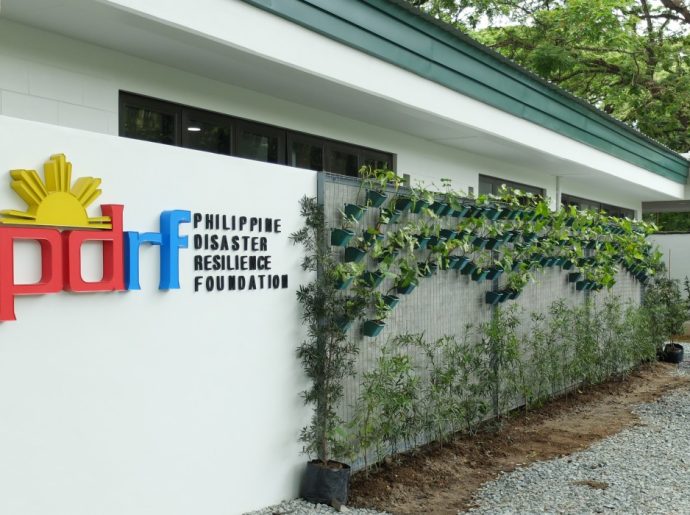
Held at the Philippine Disaster Resilience Foundation’s BEOC in Clark, this week-long training combined theoretical sessions with group work.
Complementary themes that were part of the programme included coordination with the humanitarian system, accountability to affected people, community engagement, and how to report on private sector engagement in disaster response.
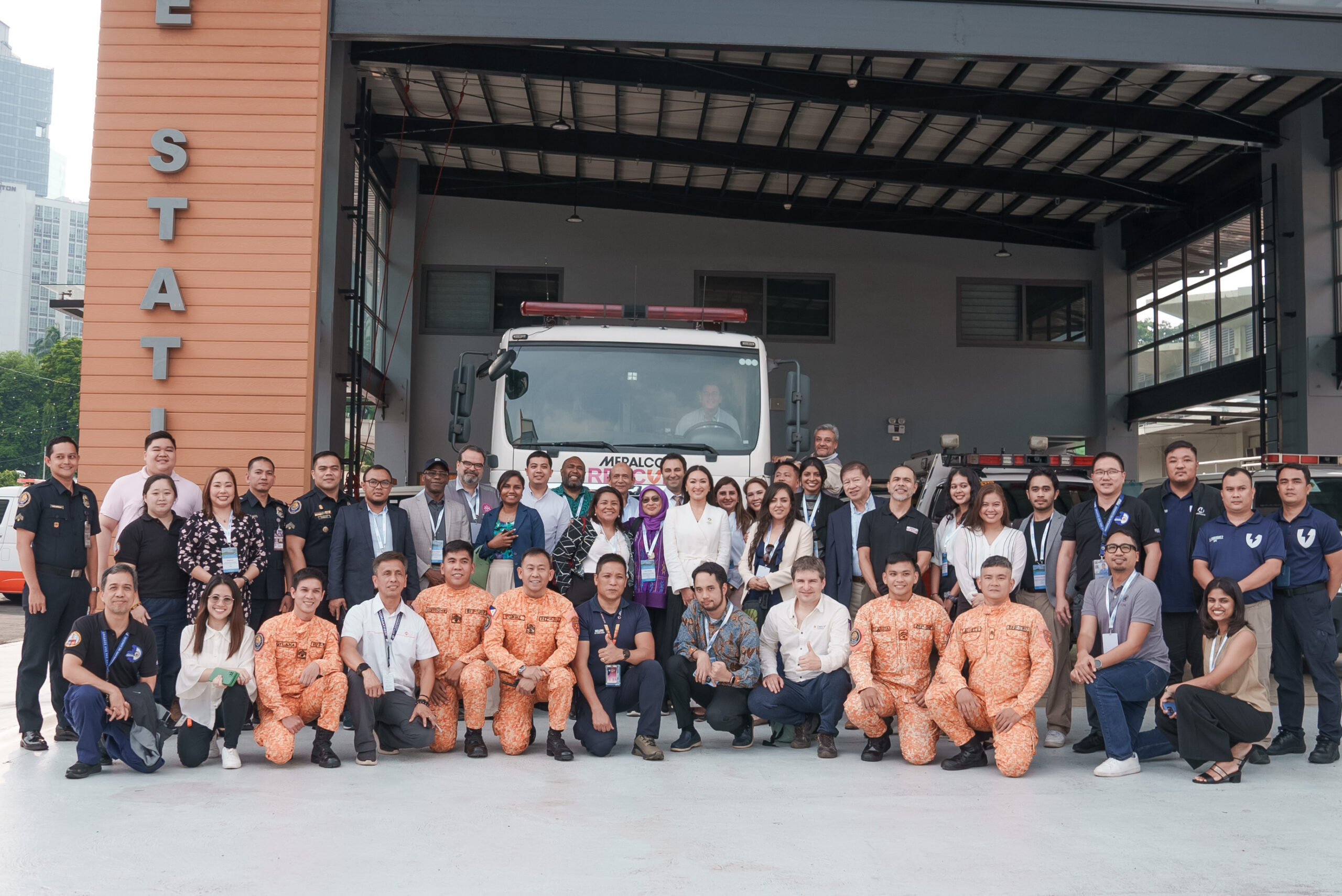
The week also included field trips to visit the United Nations Resident Coordinator, the Emergency Operations Center of the Department of Social Welfare and Development, and PDRF members, including Meralco, a large electricity company who presented their business continuity plan and its in-house fire brigade team.
Participants also saw fire trucks and mobile command centers that are easy to deploy to support emergency response.
“The question that we started addressing in this course is how to combine the private sector speed and agility with the scale afforded by governments,” said “Bill” Guillermo Luz, Chief Resilience Officer from PDRF. “That’s where working together across sectors really becomes interesting, saving lives and livelihoods in a more efficient way.”
Group work included the development of a BEOC action plan, so every participant went home with a practical blueprint that they can adapt to their context.
Key takeaways and next steps
A number of CBI Member Networks are interested in doing just that: Either setting up a virtual BEOC or a hybrid one. In the aftermath of this inaugural course, we expect a few new BEOCs to be developed, and CBI will continue to support its Member Networks in their disaster risk reduction and management journey.