Environmental Emergency Training with Private Sector Representatives
Having grown up in Sri Lanka, I used to see the beach as a refuge. A place to calm down, or a place to go for a walk to catch up with dear friends. The tsunami of 2004 changed that for me, and I became weary of the water. Many of my fellow Sri Lankans feel the same, and understandably so, but what often gets overlooked is that the tsunami was also an environmental emergency because it brought in and created a ton of waste.
That’s why I was so interested in participating in the Environmental Emergency Training offered by the United Nations Environment Programme (UNEP) and the United Nations Office for the Coordination of Humanitarian Affairs (OCHA) Joint Environment Unit (JEU) in November this year in Thailand. It’s a lot of acronyms, but what they do is incredibly hands on.
What is the Environmental Emergency Training all about?
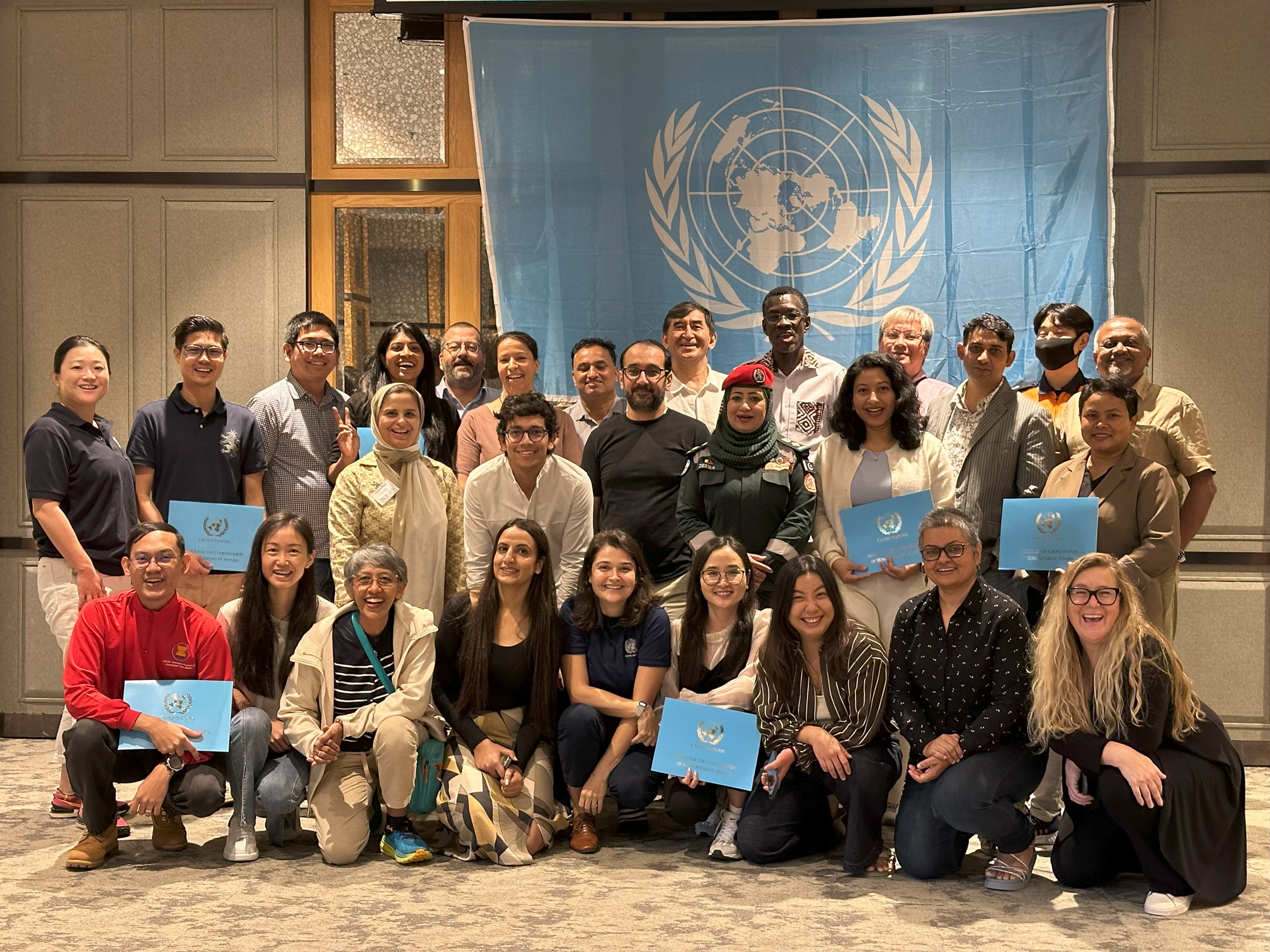
Bringing together a group of 22 very diverse participants, this training was set up so there were two spaces that we operated in: the green camp, a place for learning and theoretical conversations, and the red camp, where we practiced hands-on response activities to put what we learned into practice.
From the beginning, we were split into four groups: Alpha, Bravo, Charly, and Delta. I was in the Alpha group, and went through all the scenarios with the same group of people.

To give one specific example, in the green room at one point we talked about communications and how to manage the media. Then, in the red camp, we had to respond to a specific scenario by creating key messages and figuring out what we would say to journalists.
Scenarios could be anything: gas leaks, oil spills, waste management (whether caused by a tsunami or not)… we learned how to gather and manage information, how to communicate, and the impact different situations could have on the environment.
In the case of an oil spill for example, once we found out what the extent of it was in kilometres, the question became whether or not people should evacuate – but what did we need to calculate the risks and make an informed decision given its ramifications?
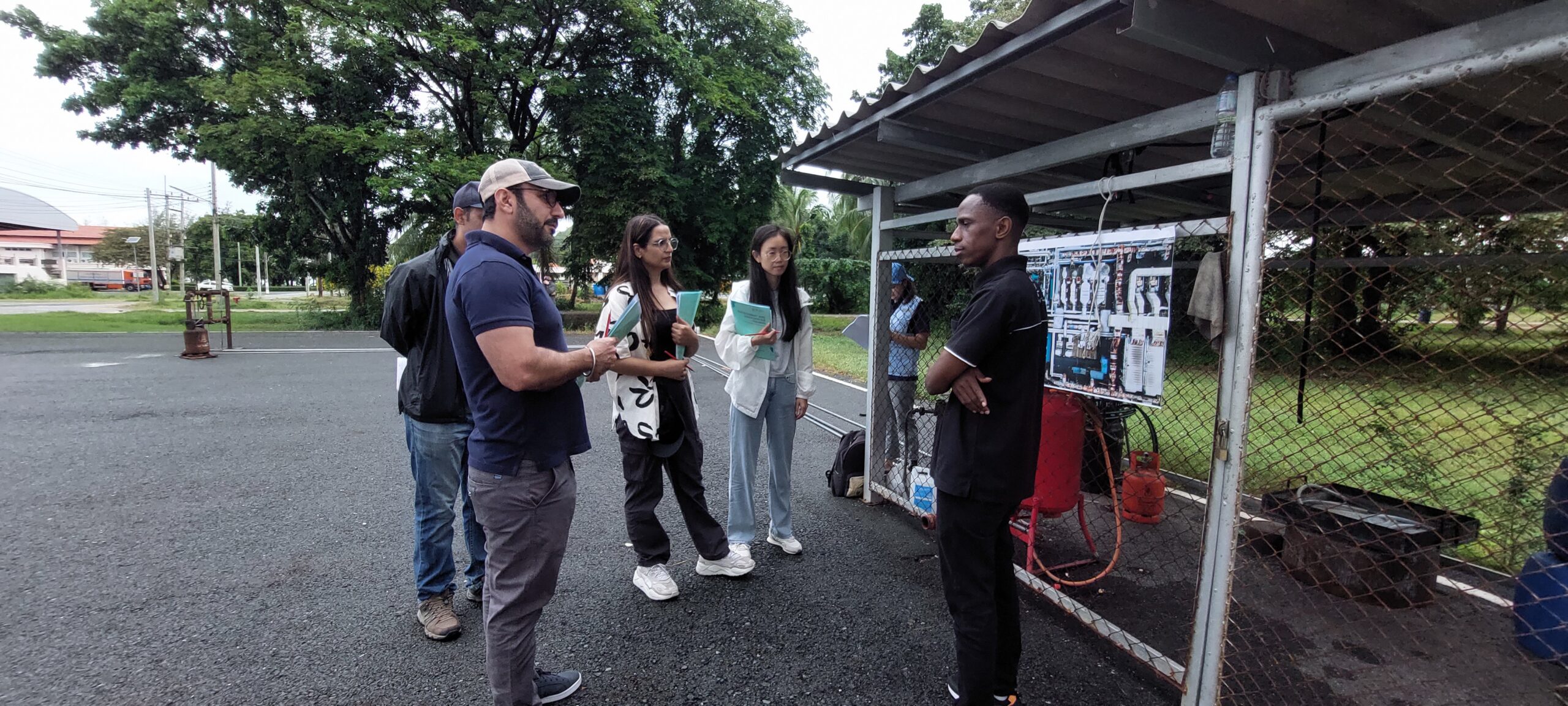
We also had a full day in the field where we were faced with a practical scenario – in our case, an internally-displaced people’s camp where we visited and were given a tour by the camp manager, but people kept trying to interrupt. It turns out they were trying to tell us that the manager was corrupt. What could we do to address the challenges without the situation escalating to violence?
What made this training different: Private sector participation, a first
The participants in this training were a mix, coming from academia, national disaster management organizations, government and environmental authorities, a firefighting brigade, the military, and also the private sector. That was a first!
I wasn’t sure how participants representing different companies – and thus, business as a sector – would be received, but the businesspeople from Sri Lanka, Indonesia, and the Philippines were welcome with open arms, and quickly established themselves as assets to their teams based on their skills and knowhow.
Looking ahead
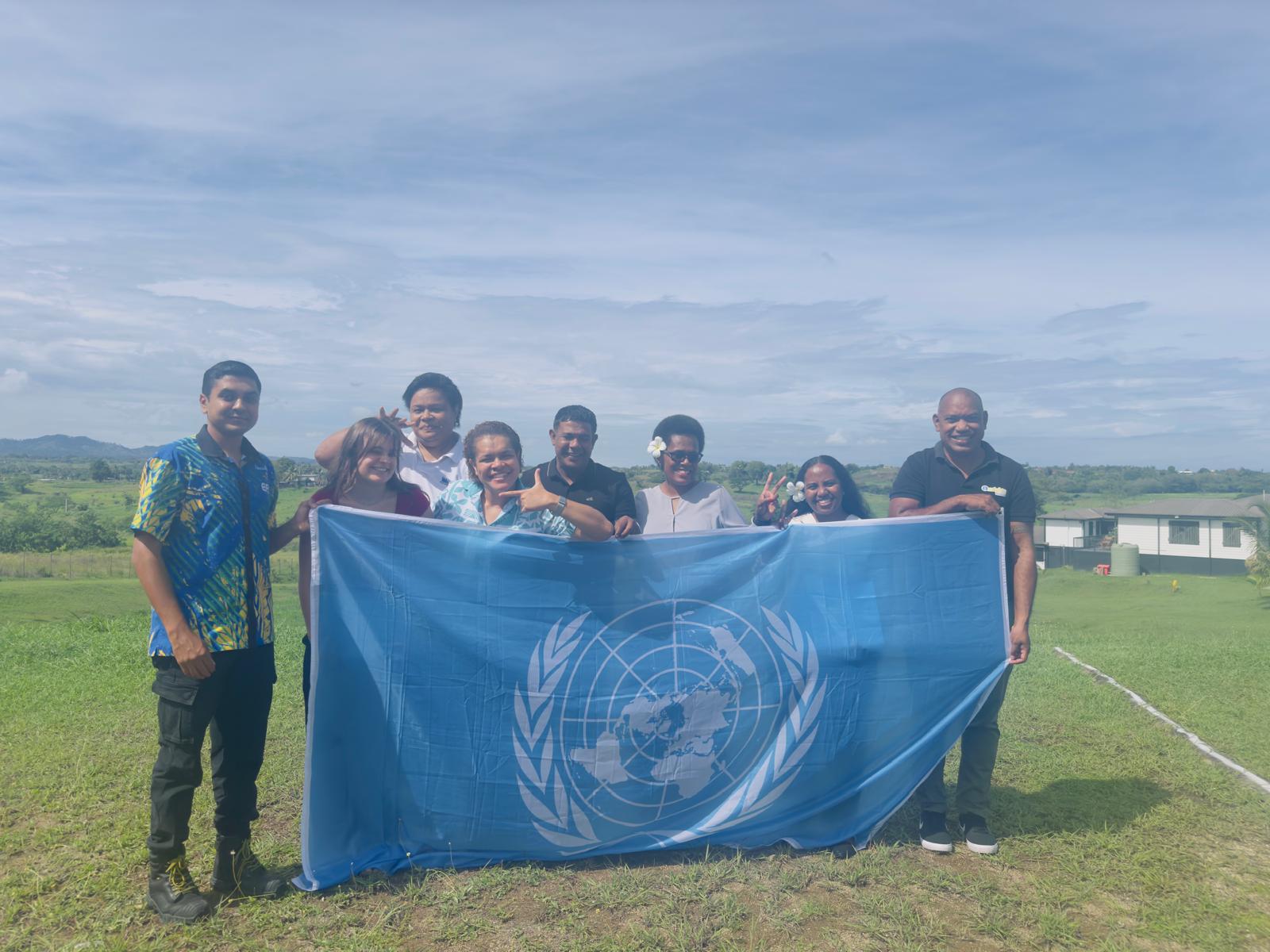
The subsequent training that took place a few weeks later in Fiji also had private sector representatives from Solomon Islands, Fiji, and Vanuatu. I hope this will become the norm, as we cannot deal with the ever-growing number of emergencies and environmental crises without the private sector.
This Environmental Emergency Training is similar to the United Nations Disaster Assessment and Coordination (UNDAC) induction training that my colleague participated in earlier this year, in the sense that all of us graduating from this course can now be called on for deployment via the JEU.
I hope I won’t get the call anytime soon – not because I am not eager to put my new skills to use, but because I hope we will get a respite from environmental crises. Either way, when the call comes, I will report for duty and be sure to share my experience here thereafter.