“Disasters do not discriminate”: Building trust for effective crisis response at HNPW 2024
- Preparedness
- Recovery
- Response
- Small- and medium-sized enterprises
- GSMA
- United Nations Development Programme (UNDP)
- United Nations Office for the Coordination of Humanitarian Affairs (OCHA)

“Disasters do not discriminate,” said Vasiti Soko, Director of Fiji’s National Disaster Management Office, during the panel discussion on the crucial role of trust in forging sustainable partnerships among governments, businesses, and humanitarian agencies for effective crisis response. “This applies to the economic sector, and we tend to forget that businesses are equally affected.”
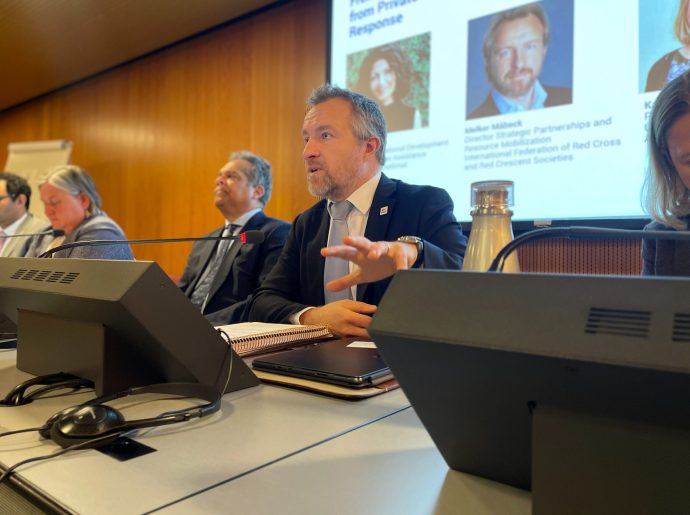
Ms. Soko’s words resonated with the audience gathered for the Connecting Business initiative’s (CBI) session on 8 May, “The Power of Trust,” which took place during the annual Humanitarian Networks and Partnerships Weeks (HNPW).
Insights from the Panel
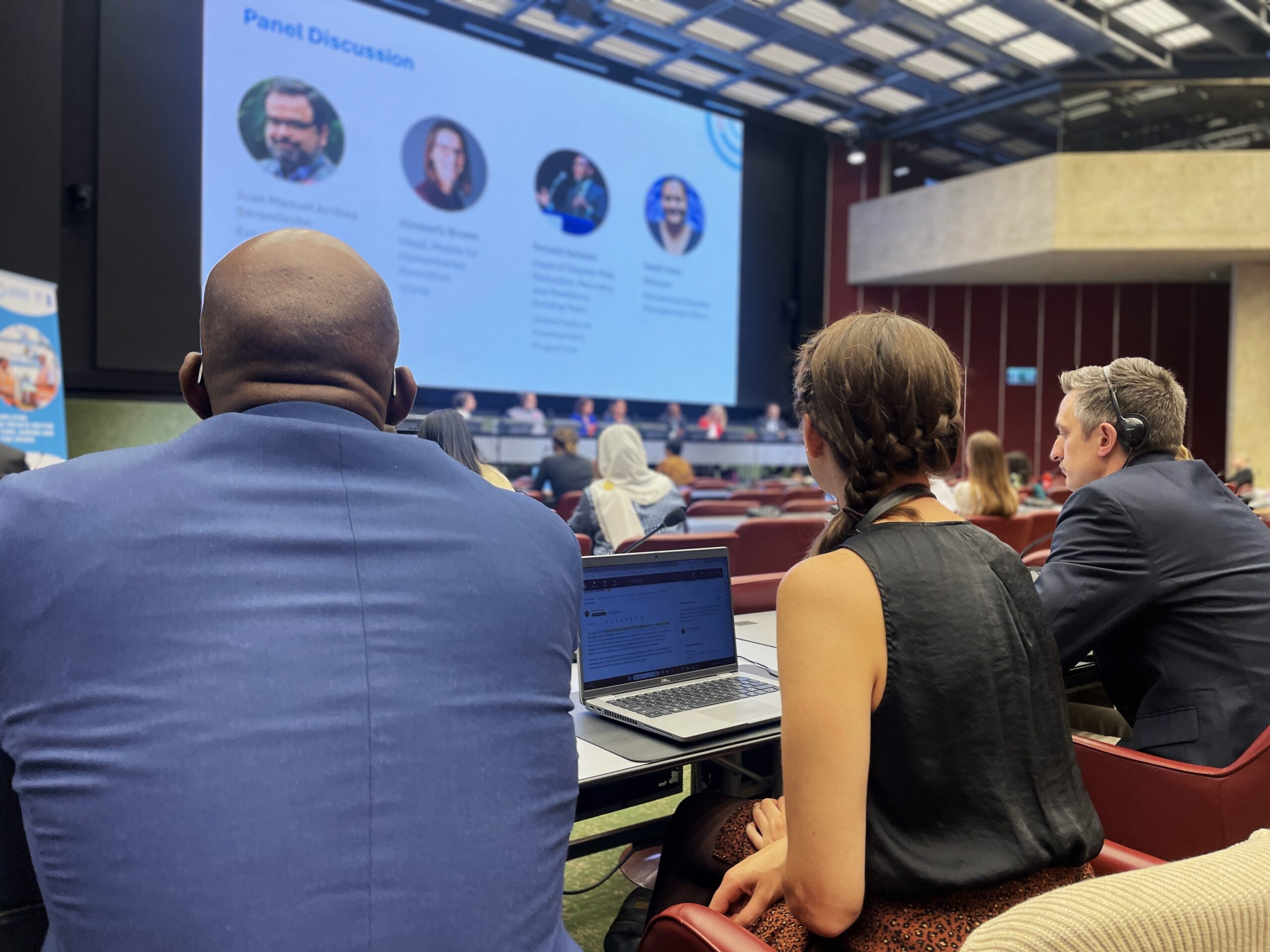
Moderated by Rhiza Nery, Deputy Programme Coordinator of the OCHA-UNDP Connecting Business initiative, the panel featured:
- Juan Manuel Arribas, Executive Director, Hombro a Hombro
- Kimberly Brown, Head, Mobile for Humanitarian Innovation, GSMA
- Ronald Jackson, Head, Disaster Risk Reduction, Recovery, and Resilience Building Team, United Nations Development Programme
- Vasiti Soko, Director, Fiji National Disaster Management Office
Juan Manuel Arribas opened the discussion by emphasizing the importance of commitment and support during vulnerable times, highlighting his organization’s partnership with the Peruvian government. For Arribas, trust means efficient resource utilization and transparent communication to ensure aid reaches those in need without delay.
Ronald Jackson discussed the challenges and opportunities in United Nations (UN)-private sector engagement, stressing the necessity of transparent communication and mutual recognition of shared values. He highlighted the UN’s role as an honest broker, facilitating collaborative efforts for effective crisis response and recovery.
Kimberly Brown addressed the evolving role of mobile network operators (MNOs) in humanitarian settings, dispelling myths about their capabilities. She acknowledged their crucial role in connectivity and digitalization and emphasized the importance of building relationships and standard operating procedures (SOPs) ahead of crises to ensure swift and coordinated responses.
Emphasizing Localized Solutions
Vasiti Soko advocated for localized solutions and proactive engagement with businesses for resilient recovery. She stressed the importance of prepositioning resources and regular consultations with the private sector, reflecting a shift towards anticipatory disaster management strategies that emphasize resilience and preparedness.
Interactive Q&A Session
The interactive Q&A session delved into practical strategies for business continuity planning, the definition and inclusion of the private sector, and the role of advocacy in fostering support from governments and international organizations. The discussion highlighted the importance of proactive engagement and preparedness in mitigating disaster impacts.
Closing Remarks
In their closing remarks, the panellists reiterated the importance of sincerity, humility, and understanding the local context in trust-building efforts. They called for inclusive policies, agile responses, and sustained collaboration to effectively address complex challenges. Anja Nitzsche, Chief of OCHA’s Partnerships and Resource Mobilization Branch, closed the discussion by emphasizing shared responsibility and sustainable partnerships as essential pillars for crisis response, advocating for collaborative competition and trust-based relationships.
Conclusion
“The Power of Trust” session at HNPW 2024 underscored the vital role of trust in creating effective partnerships and leveraging collective strengths for resilient crisis response and recovery. As the world faces increasingly complex crises, the need for trust and collaboration among diverse stakeholders becomes ever more critical. This session provided a roadmap for building sustainable, trust-based partnerships that enhance humanitarian efforts, ensuring aid reaches those in need promptly and effectively.