The airport that can’t afford to stop
How the people who keep Manila’s gateway running are quietly rehearsing for the next crisis, to ensure that when an emergency happens, everything still runs smoothly.
There is a particular kind of quiet that settles over an airport tarmac in the hour before a storm makes landfall. Flights are grounded. Passengers are rebooked or already gone. But for the people who run Ninoy Aquino International Airport (NAIA) in the capital city of the Philippines, that quiet hour is often their busiest, because somewhere behind the scenes, a very different kind of arrival is being planned for: not passengers, but pallets. Not tourists, but tents, water purification units, and search-and-rescue teams.
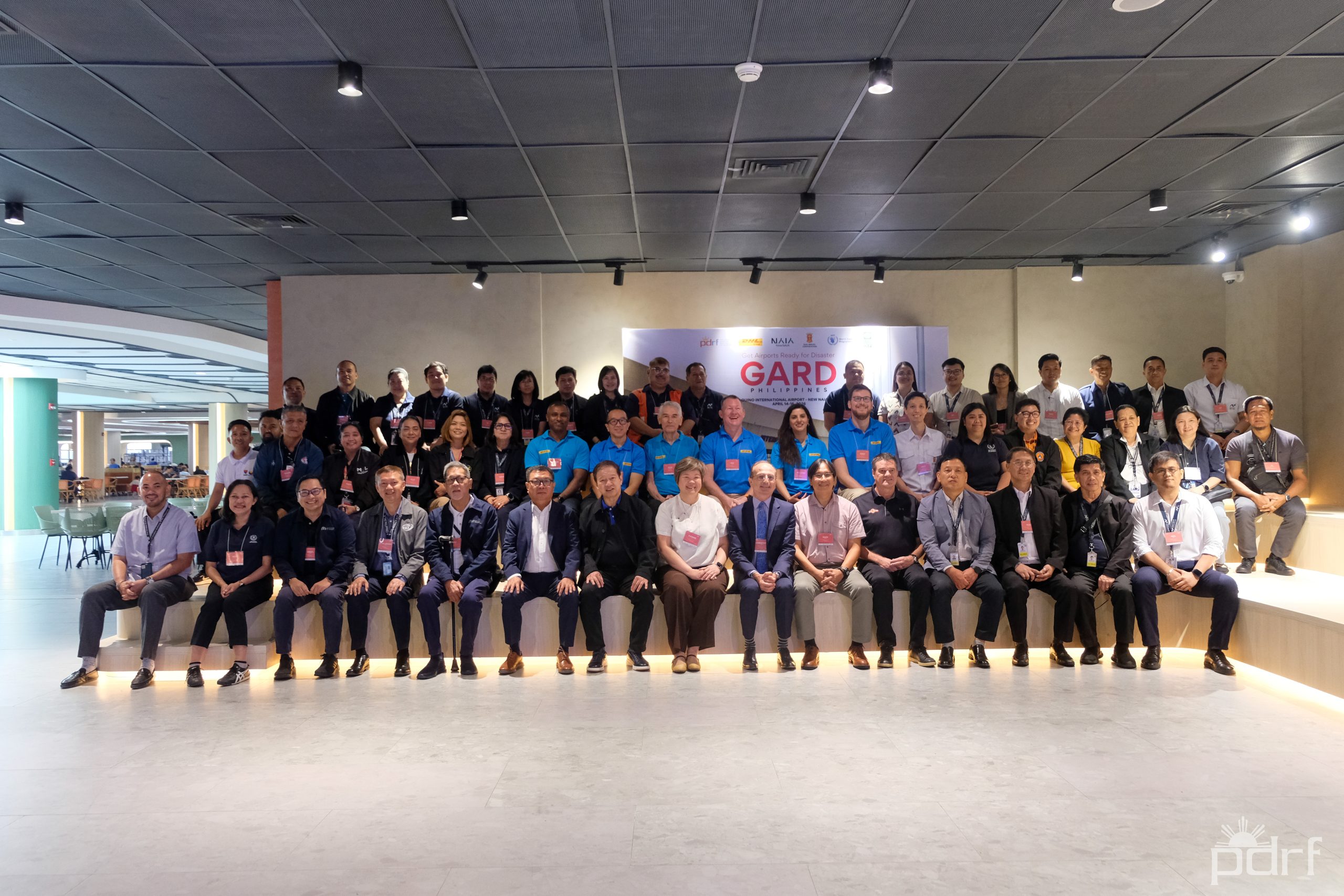
For three days in April this year, a group of airport staff, government officials, and humanitarian responders sat down at NAIA not to talk about check-in queues or runway slots, but about something harder to picture until it happens: what does this airport look like when a crisis hits?
This was part of a Get Airports Ready for Disasters (GARD) programme, the 6th one run in the Philippines since the year 2013.
Four organizations, one airport
The GARD workshop didn’t happen because a single organization decided NAIA needed it. It came together because four very different entities each had a piece of the puzzle and a reason to care about the answer.
New NAIA Infrastructure Corp (NNIC) is the airport’s operator, and the one with the most on the line. NNIC runs NAIA day-to-day and is ultimately responsible for what happens on its grounds when disaster strikes. As such, it hosted the workshop, opened up its facilities for the site visit, and will be the one implementing whatever the exercise recommends.
The United Nations Development Programme (UNDP) is GARD’s global coordinator, alongside the DHL Group. The partners steered its rollout in 70 airports in 31 countries since 2009, bringing the methodology, the international experience, and the connective tissue that ties each national exercise back to the wider global effort to prepare airports to handle emergencies so they are an asset rather than a bottleneck.
Through its disaster response specialists, DHL contributes the hands-on logistics expertise the programme is built around: how to move goods at speed, where bottlenecks typically form, and how a commercial cargo operation adapts when the cargo suddenly becomes emergency relief.
The Philippine Disaster Resilience Foundation (PDRF) is the in-country advocate, the organization that makes sure GARD actually happens on the ground in the Philippines, and keeps happening. A business-led network built around disaster resilience, PDRF has now championed GARD workshops at four airports nationwide and is the driving force behind the push to reach smaller regional airports next.
Put together, the four roles form a chain: UNDP and DHL bring the global methodology and expertise; PDRF translates that into local action and buy-in; and NNIC — as the airport itself — is where the plan has to actually work.
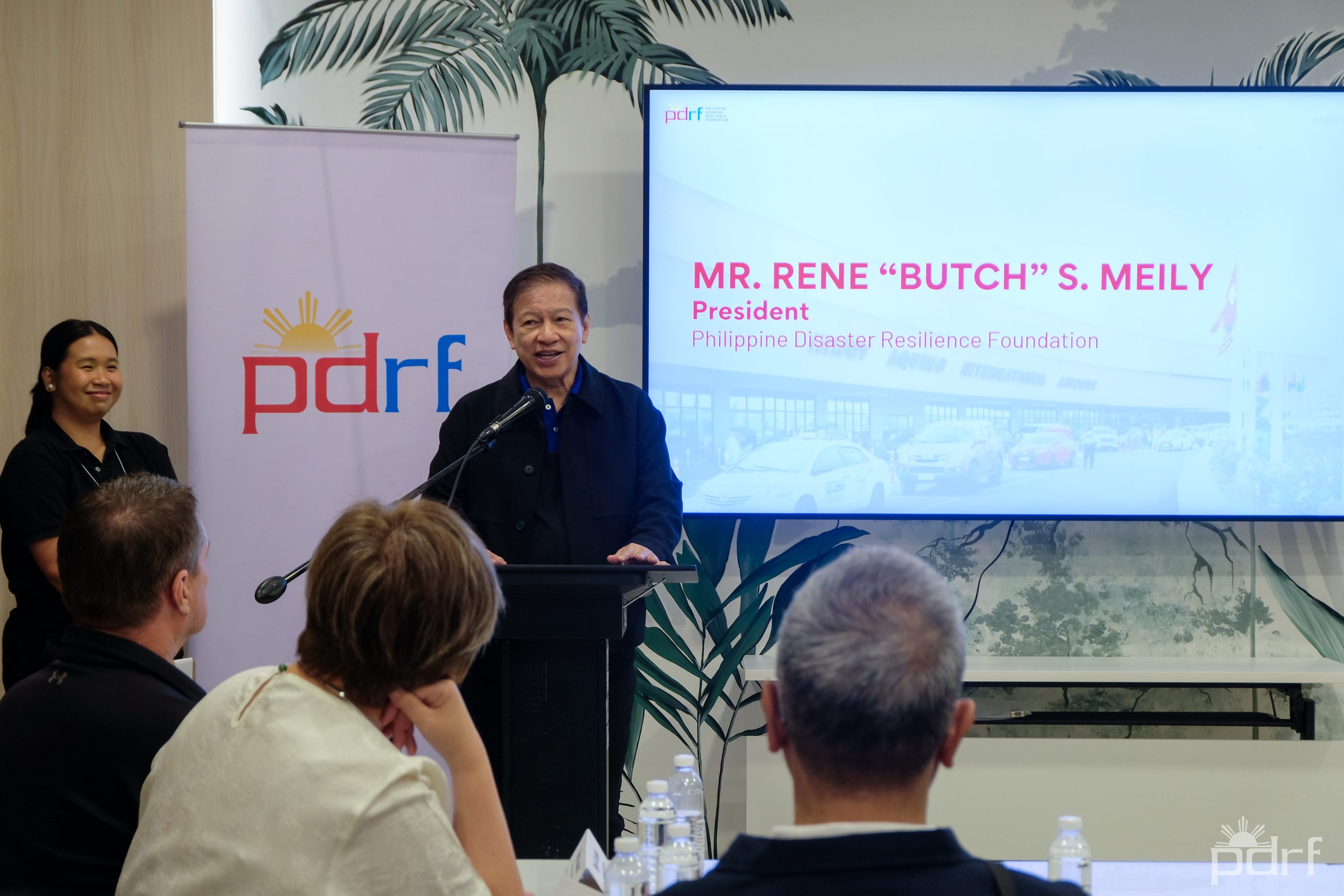
“Airports are more than transportation hubs; they are lifelines for communities. Through GARD, PDRF – together with DHL and UNDP – is helping strengthen airport preparedness so that critical relief can move faster, coordination becomes more effective, and affected communities receive assistance. It’s been said that where there is no vision, the people perish. GARD demonstrates that we do have a vision, a vision of a safer country.”
– Rene “Butch” Meily, President, Philippine Disaster Resilience Foundation (PDRF)
A rehearsal, not a drill
The exercise doesn’t involve sirens, evacuations, or a single simulated emergency. It plays out closer to a very detailed, structured conversation with hands on exercises than a fire drill.
That conversation asks blunt questions: If ten cargo planes full of relief goods needed to land within six hours of each other, where would they park? If the terminal lost power, which systems absolutely cannot go dark? If roads into the city flooded, how would relief supplies still move out to the people who need them?
“An airport that has never rehearsed for its worst day will improvise on it instead. GARD exists so that when the moment comes, NAIA and the country behind it don’t have to.”
– Ioana Creitaru, UNDP Global Manager for GARD
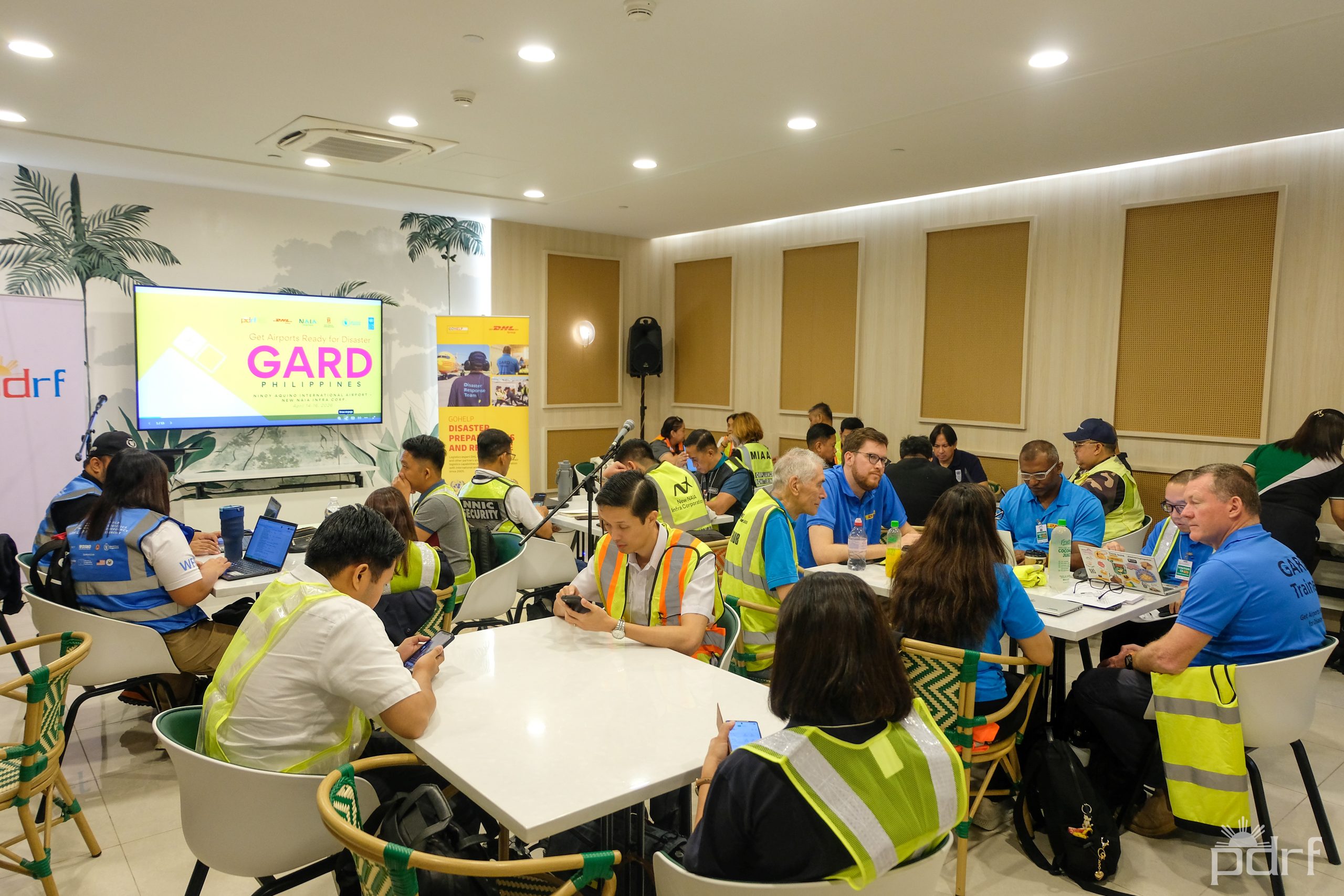
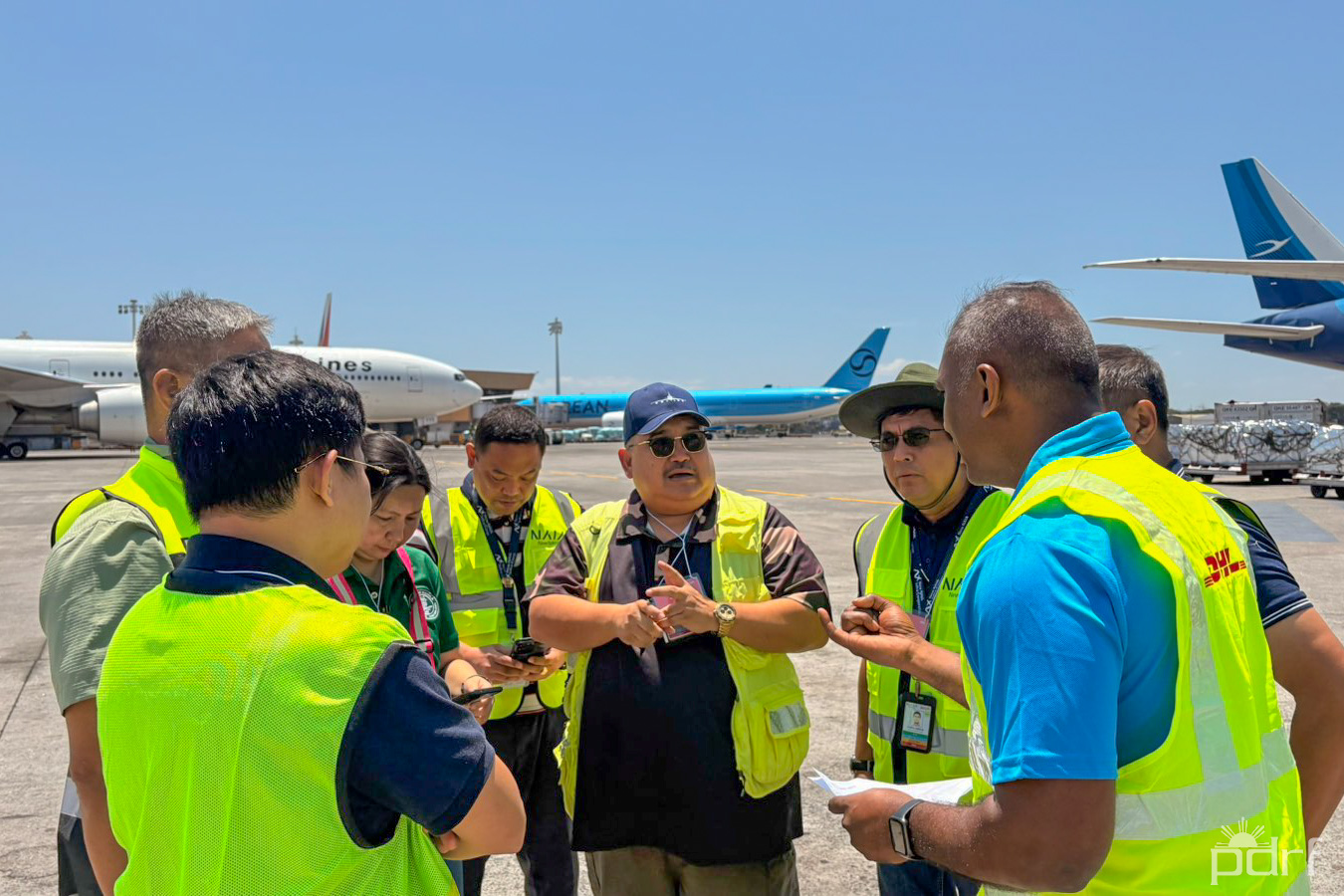
Over three days, more than 40 participants – airport operations staff, government agency representatives, and disaster response organizations – walked the airport grounds together, marking out spaces nobody usually thinks about: a patch of tarmac that could hold an extra aircraft, a service road that could become a lifeline, a corner of the apron that could turn into a staging point for relief cargo.
Every open space becomes a question during a walk like this: could this hold a pallet of water? Could this be where rescue teams gather before heading out to the field?
Why an airport, of all places
It’s easy to think of an airport’s job as moving people from one place to another in ordinary times. But in the Philippines, a country regularly struck by typhoons, earthquakes, and flooding, an airport becomes something closer to a nerve center in a crisis: the single point through which food, medicine, shelter materials, and rescue personnel must pass to reach communities that roads and ports can no longer serve.
That responsibility doesn’t pause for construction, staff turnover, or record passenger numbers. NAIA is, at the same time, in the middle of major expansion. New terminals, new capacity, new complexity. Every one of those changes has to be re-mapped onto the disaster plan, too. A parking bay that exists today might be a construction site next year. A relief-goods route that works now might need rethinking once a new terminal opens.
That is the real, unfinished nature of disaster preparedness: it is never actually finished. It gets revisited, again and again, as the airport itself changes shape.
The bigger picture
NAIA is the fourth Philippine airport to go through this process, following similar workshops at airports serving Clark, Cebu, and Cagayan de Oro. Slowly, a patchwork of prepared airports is starting to form across the archipelago, which matters enormously in a country made up of islands, where a single blocked runway or port can cut a community off from help entirely.
The ambition voiced by those involved is to eventually extend the same exercise to the country’s smaller regional airports—the ones with shorter runways and thinner budgets, but which often serve as the only way in or out for the communities most exposed to disaster.
“The Philippines has been a lighthouse example in the region on how public-private partnerships can come to life. The conversations we had during the recent GARD workshop in Manila reflect the country’s ambitions to ensure that its critical infrastructure remains ready during times of disasters. We are looking forward to working with UNDP and PDRF to bring GARD to the next stage within the country.”
– Rod Freemann – DHL Group GoHelp Co – Lead Asia Pacific
What preparedness looks like
There is no dramatic ending to a workshop like this. Nothing is declared “disaster-ready” with a ribbon cut. Instead, the output is a set of maps, checklists, “homework”, and agreements alongside the commitment to check in to ensure all the changes discussed are implemented regardless of the day-to-day being full of important tasks too.
That is, in a sense, the whole point. Good disaster preparedness is indispensable in extraordinary times, even if it might sound unglamorous on a normal day. The people who spent three days walking NAIA’s tarmac in April are hoping never to use most of what they planned. But if the day comes when Manila’s skies fill with relief aircrafts instead of passenger jets, the airport, and the country behind it, will be a little more ready than it was before.
This story draws on the Get Airports Ready for Disaster (GARD) programme, a global partnership between UNDP and DHL Group, delivered in the Philippines with the support of the Philippine Disaster Resilience Foundation (PDRF) – a CBI Member Network, and New NAIA Infrastructure Corp.