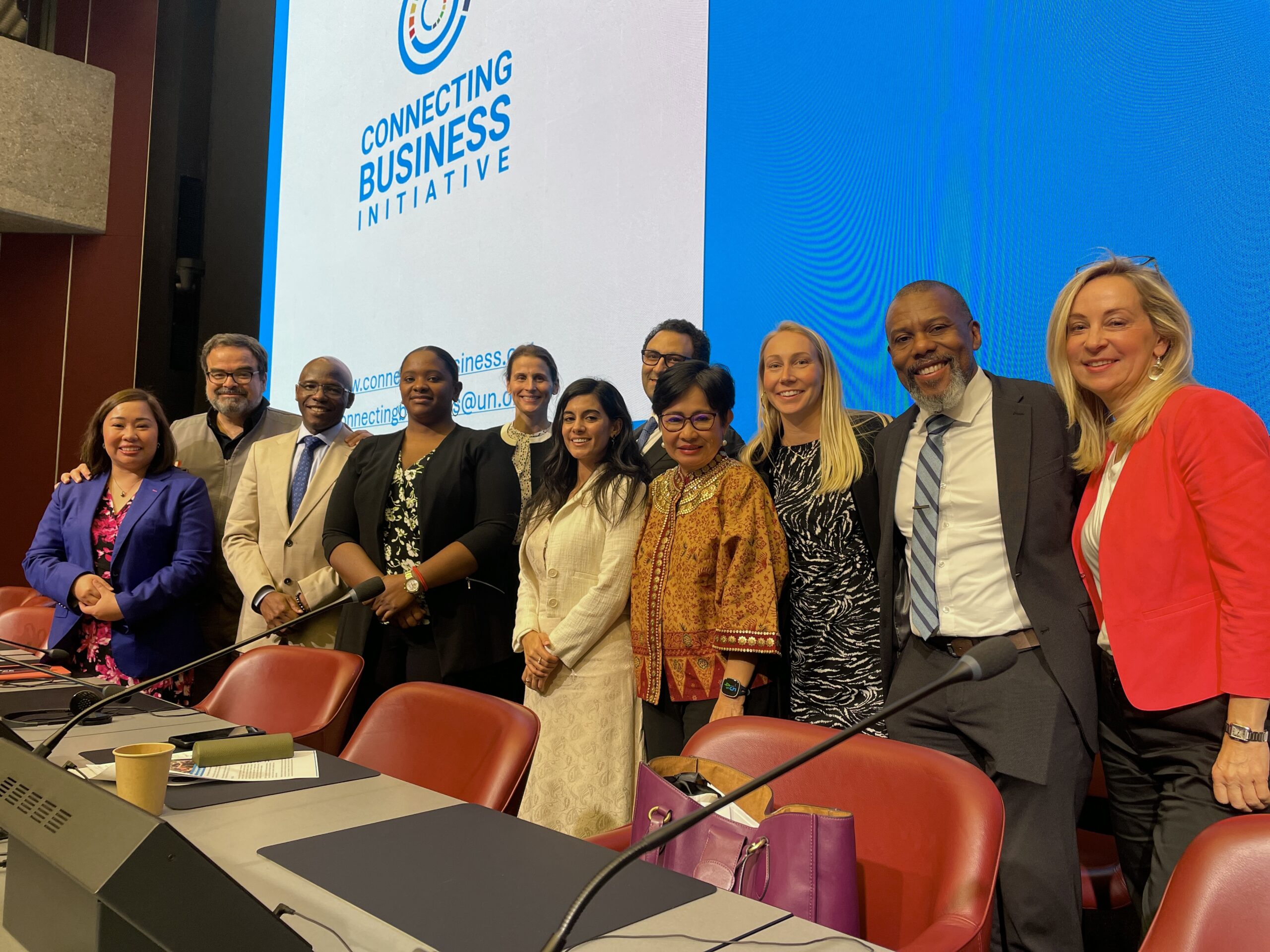
CBI Member Networks from Haiti, Indonesia, Peru, and West Africa join the 2024 Humanitarian Networks and Partnerships Weeks
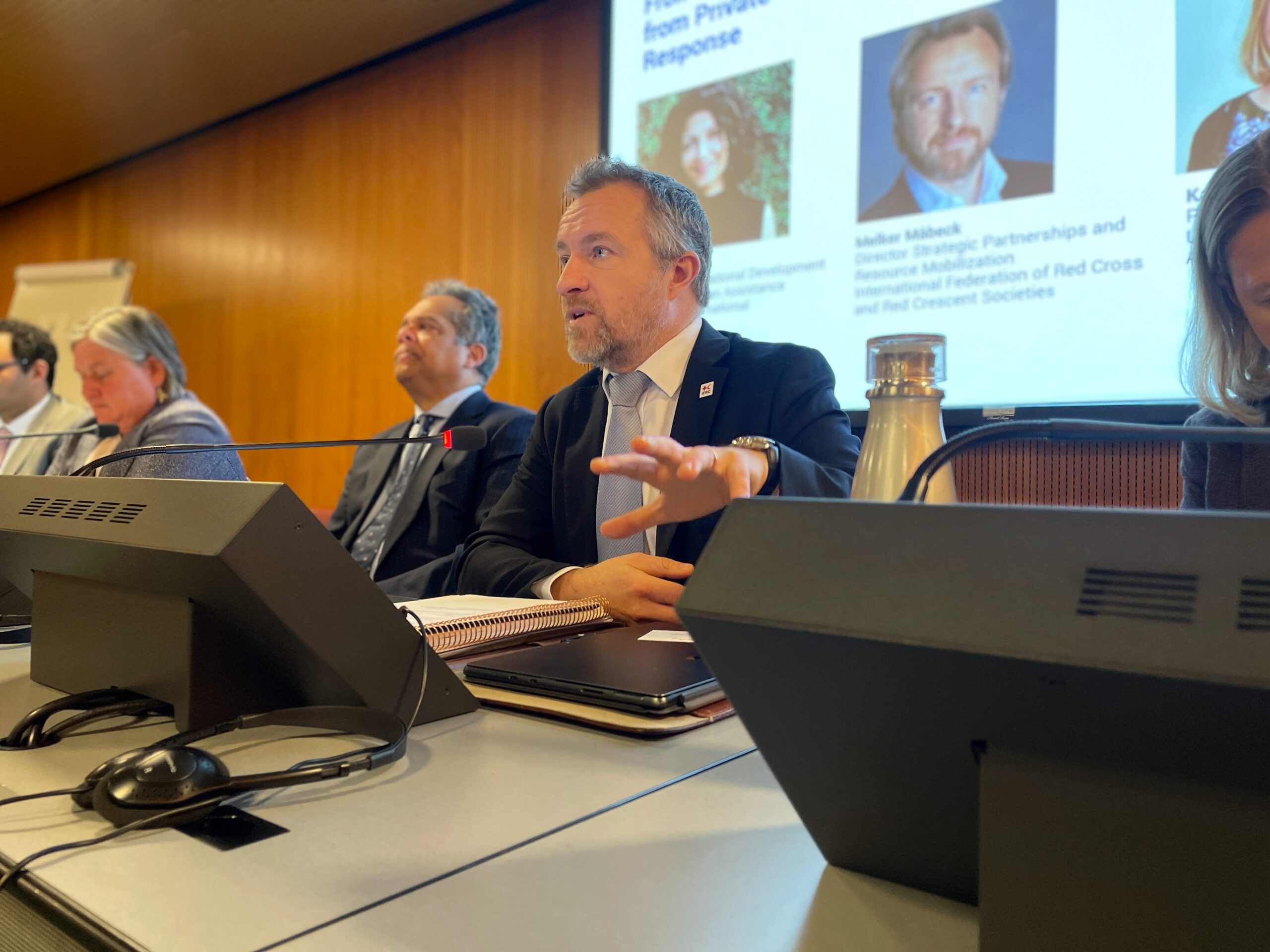
The Humanitarian Networks and Partnerships Weeks (HNPW) are one of the world’s largest gatherings of emergency responders and humanitarian organizations and it takes place once a year in Geneva, Switzerland.
With 320 sessions, 7,800 participants online and over 2,000 attendees in-person, this year’s HNPW were bustling with ideas, encounters and a joint ambition to innovate humanitarian collaboration.
CBI participated in three HNPW sessions, and representatives from four Member Networks participated in over 11 bilateral meetings ranging from the Permanent Mission of Nigeria to the UN to the Swiss NGO Sphere.
A recurrent theme at this year’s event was that there is a paradigm shift taking place. It is time to design more localized, user-driven solutions and develop broader partnerships. This is where the private sector comes in and becomes an indispensable actor.
The power of trust
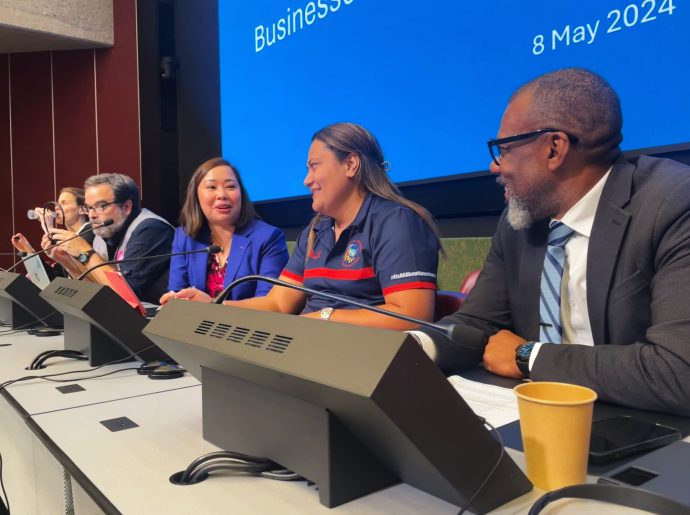
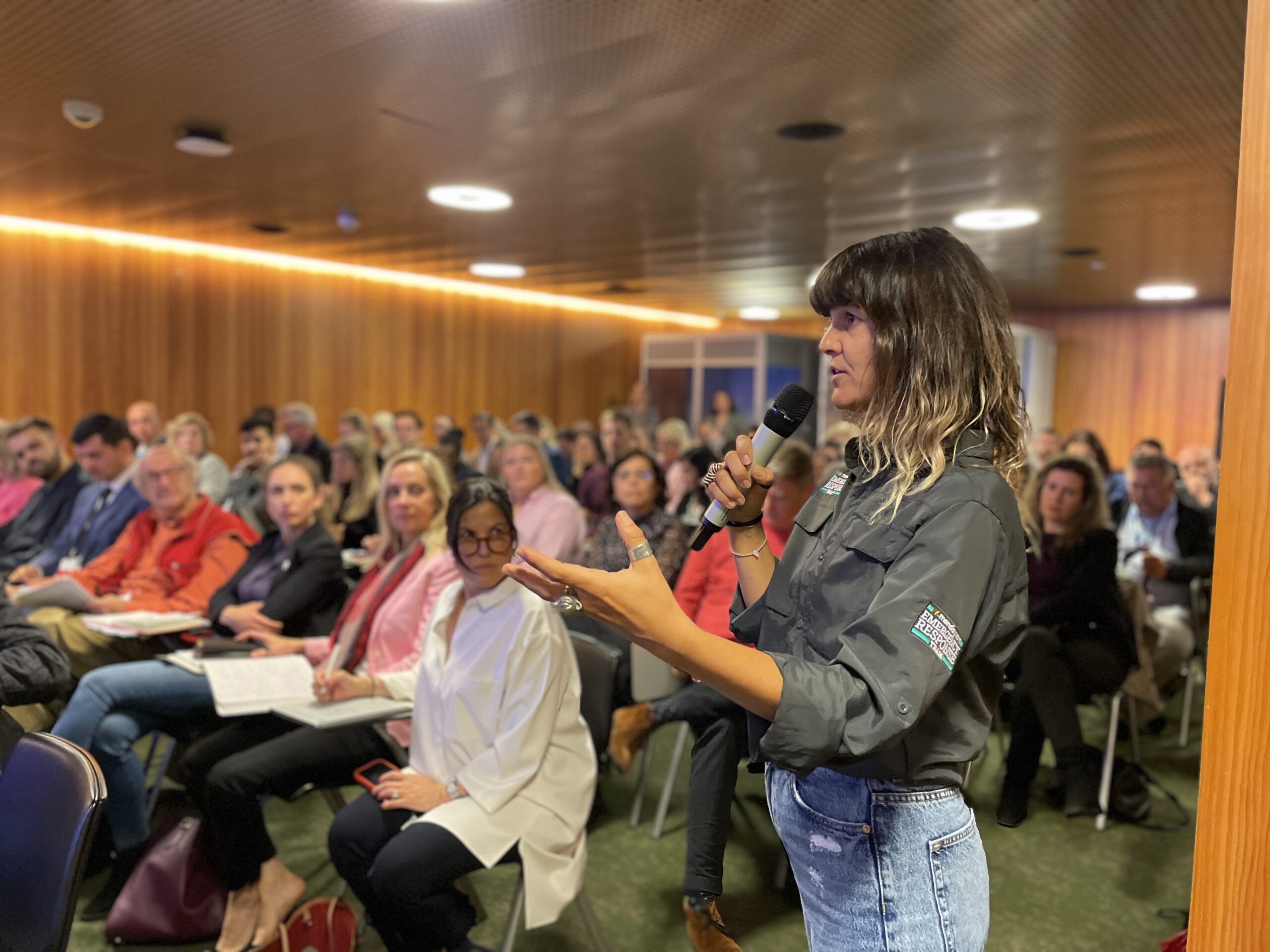
There is a common misconception that businesses only contribute to humanitarian efforts as donors. In reality, many of them play key roles, preparing for disasters, responding swiftly during emergencies, and supporting recovery efforts. Still, they are not systematically included in the coordination of the humanitarian response due to a lack of trust and a common vocabulary. At the CBI session “The Power of Trust”, speakers and participants shared concrete examples of how the public and private sectors can build that trust and work together.
“Trust takes time. We are constantly there on the ground, and through our work, we prove that our commitment is long-term” said Juan Manuel Arribas Berendsohn. He is the Executive Director of Hombro a Hombro, our Member Network in Peru, which is sponsored by 68 companies. His organization works alongside the Government to leverage the management capacity of private enterprises and has become the go-to actor for both public and private stakeholders.
According to him and the rest of the room, some of the key ingredients for successful partnerships are skilled people, efficiency and keeping promises. Learn more
The private sector and OCHA
This year was also the first time that OCHA organized a dedicated briefing just for private sector actors. As Ramesh Rajasingham, Director, of OCHA’ Coordination Division said “In an era of diminishing resources and growing humanitarian needs, it is critical to use all tools at our disposal, including those from the private sector”.
“The private sector helps us think on shared challenges and solutions” said Melker Måbeck, Director Strategic Partnerships and Resource Mobilization of the International Federation of Red Cross and Red Crescent Societies (IFRC).
This is why OCHA’s mandate of coordination in humanitarian emergencies needs to be expanded to systematically include the private sector as a relevant and equal partner. Moving forward, the private sector needs to be brought in early on and at every level, including in planning and simulation exercises, and sharing information on the resources and capacities of the private sector with humanitarian actors.
A starting point for private sector partnerships is shared value and adherence to humanitarian principles within the work of humanitarian situations.
New collaborations
During HNPW, we had the pleasure of welcoming a new network, the Federation of West African Chambers of Commerce and Industry (FEWACCI). This dynamic umbrella organization has 17 members who represent the national chambers in West Africa.
“We look forward to working together towards more inclusive, agile and impactful disaster management” said Aminou Akadiri, Executive Director of FEWACCI, who joined us at HNPW. The CBI network is now active in 70 countries, and we keep on growing!