When the Floods Receded, Learning Returned: A-PAD Sri Lanka’s Effort to Revive Education
When Cyclone Ditwah swept across Sri Lanka, it not only tore through roads and mountains, but it also quietly unsettled the routines that gave people a sense of normalcy. In the aftermath of the disaster, most attention was understandably directed toward rebuilding homes and livelihoods while a quieter loss went largely unseen. For children, the cyclone erased familiar classrooms, the school routines, and the certainties of daily life.
The scale of the impact was immense. Across the country, more than 555,000 children were unable to attend school as floods and landslides damaged educational facilities and forced families to relocate. As the 2026 academic year approached, many parents already grappling with income loss and unsafe living conditions faced an impossible choice: meet basic household needs or find money for school supplies their children had lost to the disaster. For families with multiple school-going children, the risk of interrupted education and children dropping out of school grew steadily.
Through assessment and on-the-ground discussion, one reality became clear: it was not a lack of motivation keeping children away from school, but the absence of the most basic learning materials. Books had been washed away, school bags destroyed, uniforms damaged, and access to replacements was severely limited by reduced purchasing power. In some communities, children were displaced to safety centers; in others, schools were damaged or temporarily closed. Education, already fragile, was pushed to the margins of recovery efforts.
A partnership to keep children in school
Recognising this silent crisis, HSBC, in partnership with A-PAD Sri Lanka and other partners, chose to focus on where recovery efforts often fall short: children. Through a targeted and time-critical intervention, the partnership set out to restore not just education, but dignity, confidence, and hope. Between 21 and 29 January this year, 2,000 school packs were delivered to children across ten of the most vulnerable and hard-to-reach schools in Kandy, Nuwara Eliya, Puttalam, and Mannar.
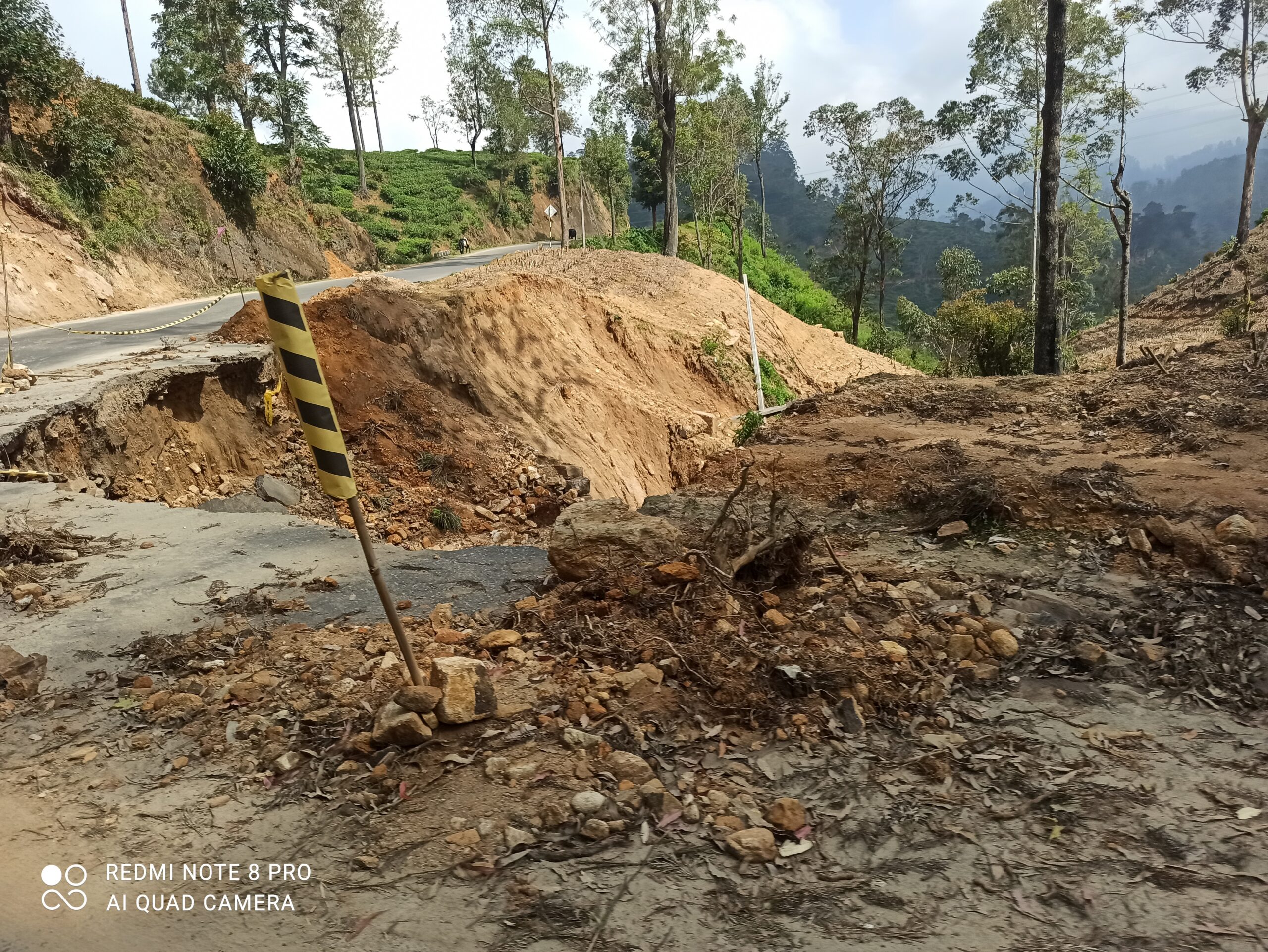
Reaching these children was no easy task. Roads were still scarred by landslides, access routes remained unsafe, and in some areas, vehicles could not reach school gates. Yet with determination and the support of local communities, school packs were carried, sometimes by hand, and sometimes through multiple vehicles, so that every child could receive theirs on the very days schools reopened. Timing was everything. For children walking into classrooms after months of disruption, arriving prepared made all the difference.
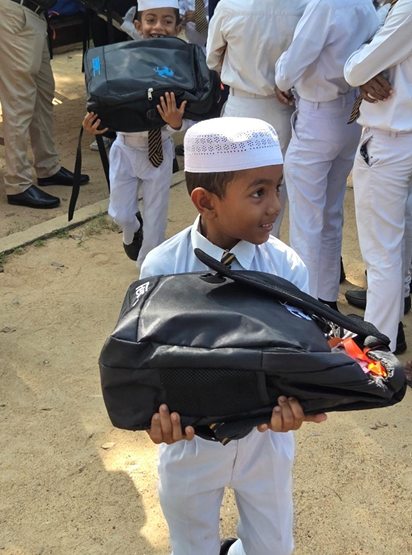
Each school bag represented more than stationery. It symbolised a fresh start. Filled with books, writing materials, reusable water bottles, and lunch boxes, the packs ensured that children could learn without worry for more than a year, while also encouraging environmentally responsible habits. Teachers spoke of renewed enthusiasm in classrooms; principals spoke of relief and how they can implement plastic-free school premises with the introduction of stainless steel lunch boxes and bottles. Parents spoke of burdens lifted at a moment when hope was scarce.
For children from daily-wage and estate worker families, this support was transformative. Receiving a school bag before the first day of term restored confidence, pride, and a sense of belonging, things no child should lose to disaster. In schools that had received little or no assistance before, the message was clear: they were not forgotten.
“My house was damaged and declared unsafe to live in, and we are currently staying with relatives. At the same time, I am struggling to find money to meet my family’s daily needs. In this difficult situation, receiving school items for my child—including a school bag, books, water bottle, and lunch box—lifted a huge burden off our shoulders. We are deeply grateful for this support.”
Parent of a Student – CP/N/St. John’s Tamil Vidyalaya
This initiative demonstrated that meaningful recovery is not only about rebuilding structures, it is also about protecting futures. By investing in children at the most critical moment, HSBC and A-PAD SL ensured that education did not become another casualty of Cyclone Ditwah. Instead, it became a pathway to resilience, reminding communities that even after immense loss, hope can return.

-
 Proud children with their new school supplies. Photo: A-PAD SL
 -
 Roads were destroyed by Cyclone Ditwah, making access to schools challenging at best. HSBC and A-PAD Sri Lanka joined forces to ensure children received school supplies as part of recovery efforts. Photo: A-PAD SL
 -
 HNPW is one of the largest gathering of humanitarians, taking place online and in-person in Geneva, Switzerland. Photo: OCHA
 -
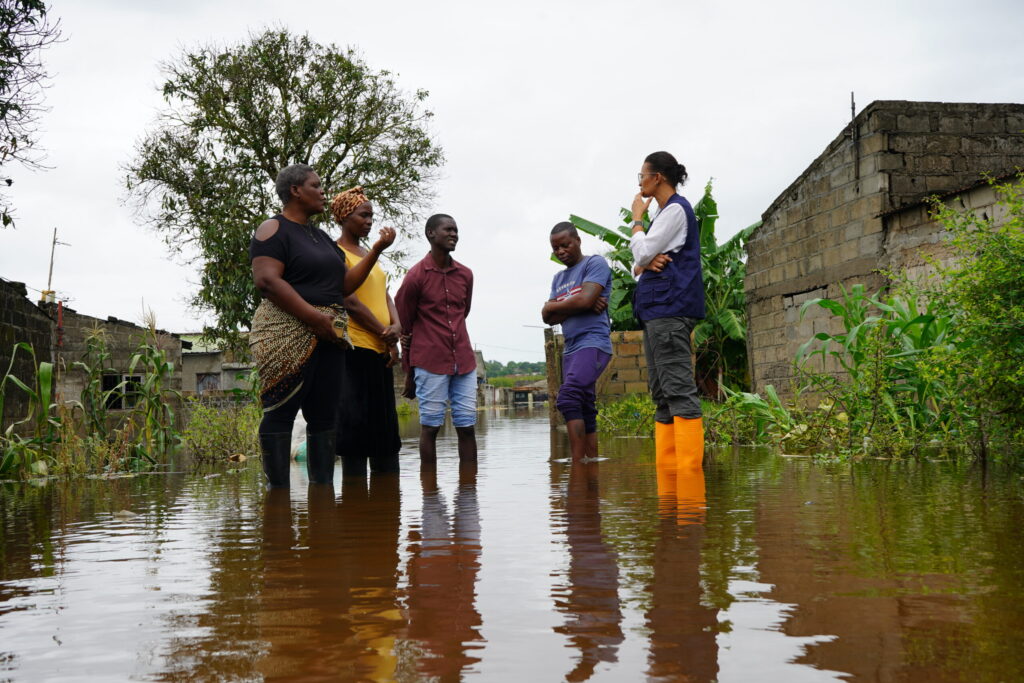 Mozambique suffered from intense flooding in January and February 2026. Photo: World Food Programme/Martim Pereira
 -
 A UN Disaster Assessment and Coordination Team (UNDAC) was deployed in February 2026 in response to the Government of Mozambique's call for international assistance. A private sector coordinator was part of the team on the ground. Photo: OCHA