Distributing traditional foods to help communities recover from Hurricane John in Mexico
At dawn on Tuesday, 24 September 2024, just short of a year after Hurricane Otis devastated parts of Mexico, Hurricane John made landfall as a Category 3 storm. With winds reaching 195km/h and gusts of up to 220km/h, the hurricane brought intense rains that caused rivers to overflow, triggering floods and landslides, uprooting trees, knocking out electricity and making roads impassable. For days, many communities across Guerrero and Oaxaca were completely cut off.
Many of these communities had already been severely impacted by Hurricane Otis in 2023. As part of their recovery efforts, UNDP and Fomento Social Banamex (formerly CitiBanamex) worked with Centro Nacional de Apoyo para Contingencias Epidemiológicas y Desastres (CENACED), a CBI Member Network, and other partners to collect and distribute native seeds to help affected communities rebuild their crops and restore food security.
Hurricane John destroyed much of this progress, devastating the harvests communities had worked so hard to re-establish in an attempt to rebuild their lives and food stores. Once again, CENACED mobilized its network of allies to respond to the emergency and help communities recover.
A culturally sensitive response
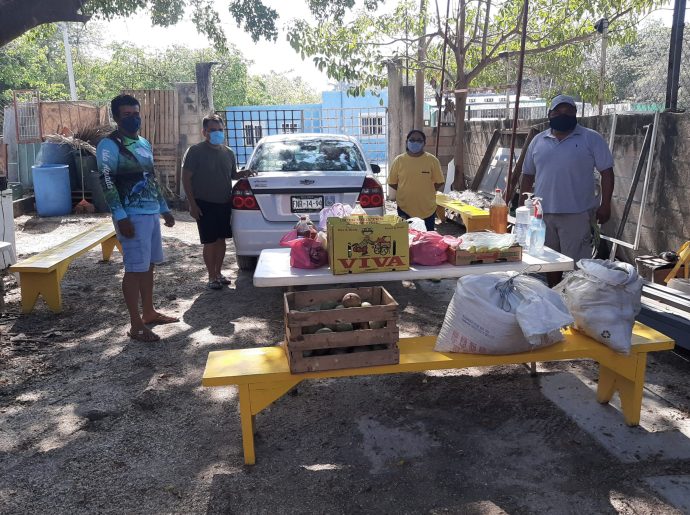
After Hurricane John, CENACED and its allies delivered blankets, hygiene kits, food supplies, clothing, footwear and cleaning products, reaching an estimated 64,214 people with goods valued at more than $263,000. But that wasn’t all.
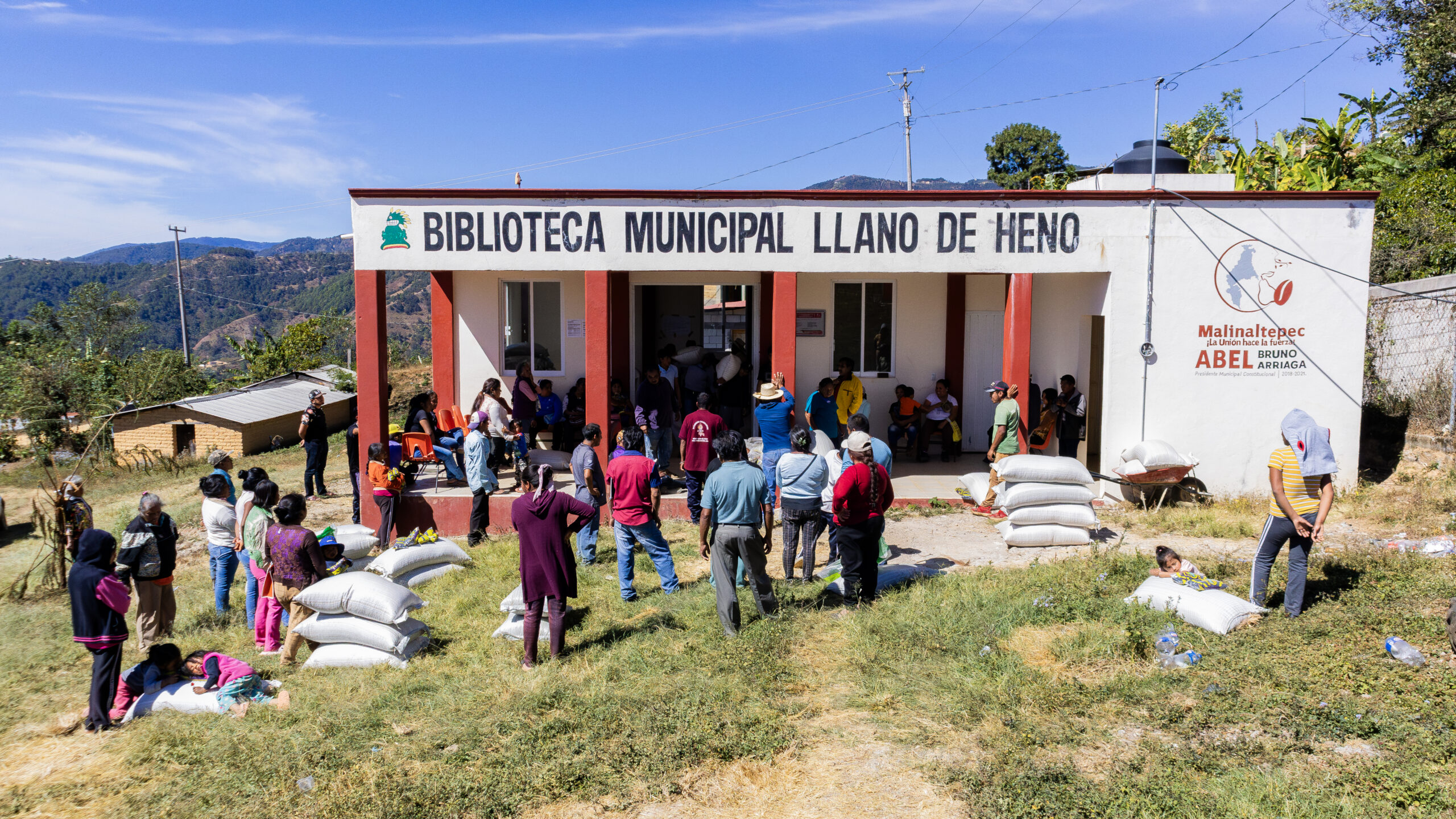
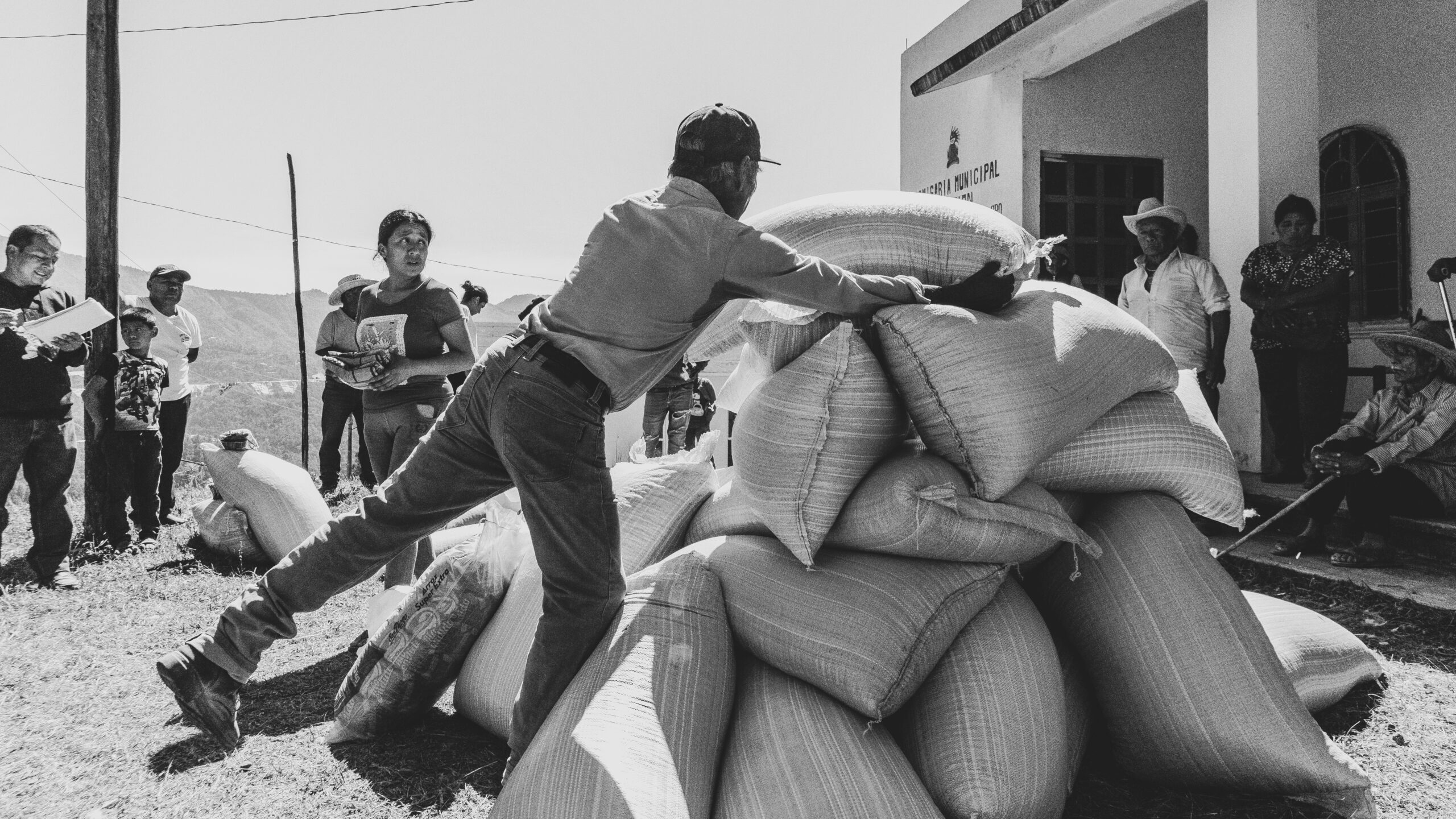
Working alongside Colectivo Gusanos de la Memoria and other partners, CENACED also distributed tons of maize and beans as part of the initiative “Que el maíz abra los caminos de la montana” (“Let maize open a way through the mountains”). The initiative aimed to ensure that emergency response was not just a check-the-box exercise, but a process rooted in listening to local communities to understand their needs, enabling them to co-create solutions.
Respecting culture and tradition to strengthen recovery
Many communities that had not yet been reached despite being affected by Hurricane Otis were included in these more recent efforts. However, when they received food packs alongside debris removal kits, some residents explained that they were still going hungry because canned goods like tuna were not part of their traditional diet and made them ill.
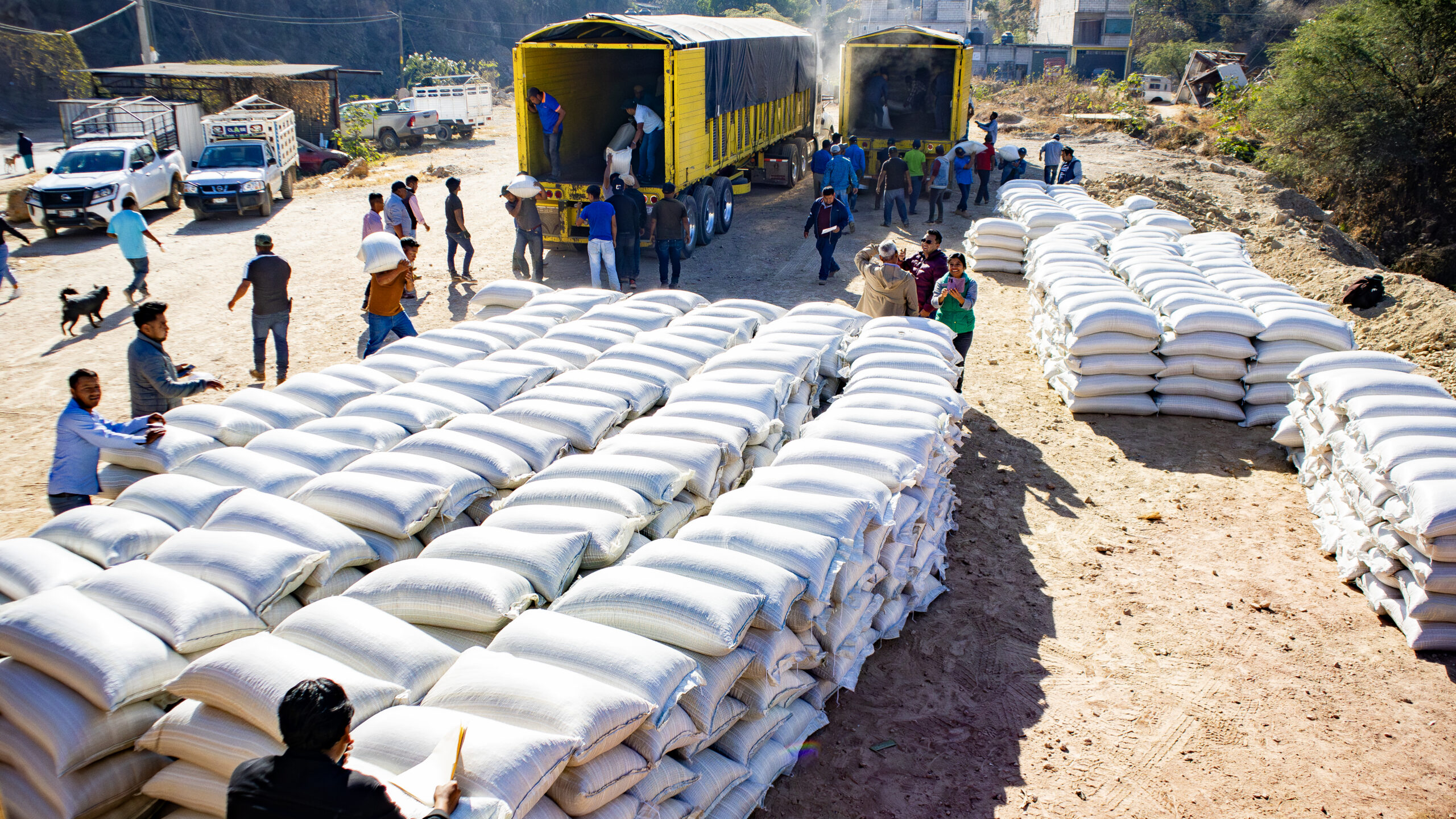
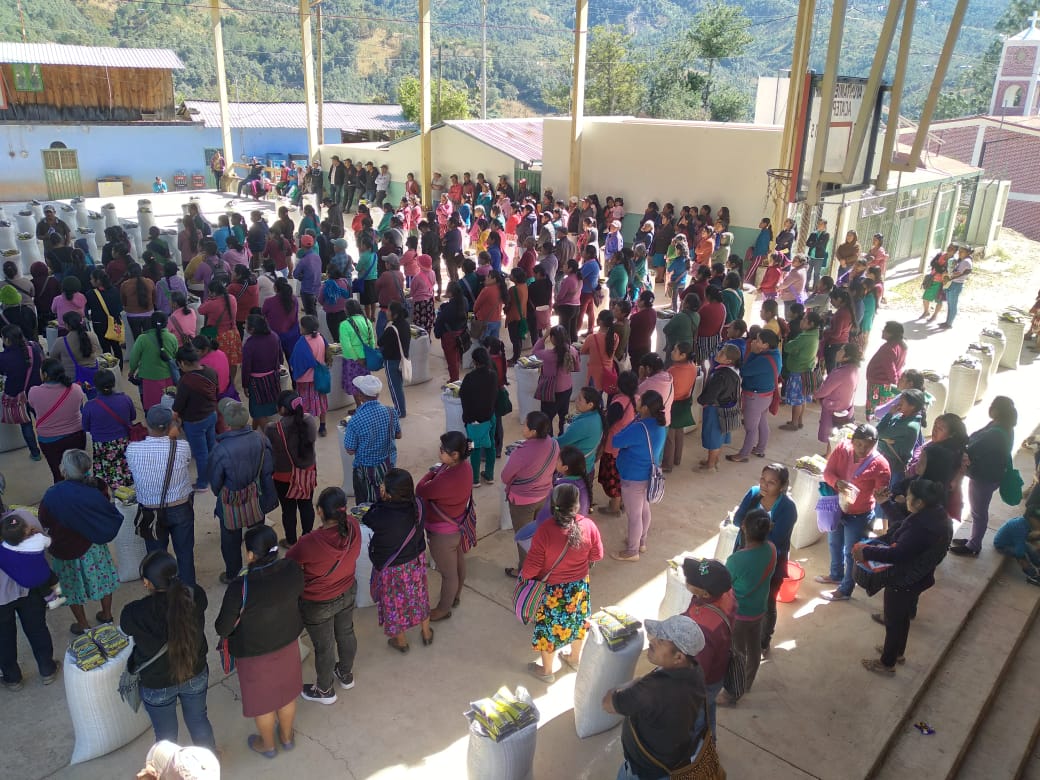
Acknowledging the issue, CENACED and its partners mobilized over the holiday period—between 23 December 2024 and 10 January 2025—to distribute 141,750kg of maize and 5,670kg of beans to 2,944 families (an estimated 9,038 people) across 25 communities in the municipalities of Acatepec, Malinaltepec, Tlacoapa and Zapotitlán Tablas. Priority was given to women, single mothers, widows and older people, with 54 percent of the aid distributed to women.
“The communities were grateful, not just for the support, but for feeling heard,” explained Hubert Matiúwàa from Colectivo Gusanos de la Memoria. “The maize and beans aren’t just essential to their way of life in terms of what they eat, but are sacred to these communities.”
“The communities were grateful, not just for the support, but for feeling heard. The maize and beans aren’t just essential to their way of life in terms of what they eat, but are sacred to these communities.” – Hubert Matiúwàa, Colectivo Gusanos de la Memoria
Building resilience
While they were in the region, CENACED and its partners also carried out educational activities focusing on climate change, food self-sufficiency and disaster preparedness. They developed a community database to facilitate planning and aid distribution for future emergencies.
“Connecting with these hard-to-reach communities has been challenging, but it’s also inspiring,” said Cynthia Espinoza, Interim General Director of CENACED. “It was a chance to learn about their traditions while better understanding how we can support them to become more resilient as they recover from Hurricanes Otis and John—and now, Hurricane Erick.”
“Connecting with these hard-to-reach communities has been challenging, but it’s also inspiring. It was a chance to learn about their traditions while better understanding how we can support them to become more resilient as they recover from Hurricanes Otis and John—and now, Hurricane Erick.” – Cynthia Espinoza, Interim General Director of CENACED
In Mexico, localization isn’t just a concept, it’s CENACED’s operational reality. By combining global frameworks and resources with local knowledge and cultural traditions, CENACED has shown that inclusive disaster response means everybody wins.