An interview with businesswoman Suryani Motik from the Indonesian Chamber of Commerce and the Indonesian Red Cross
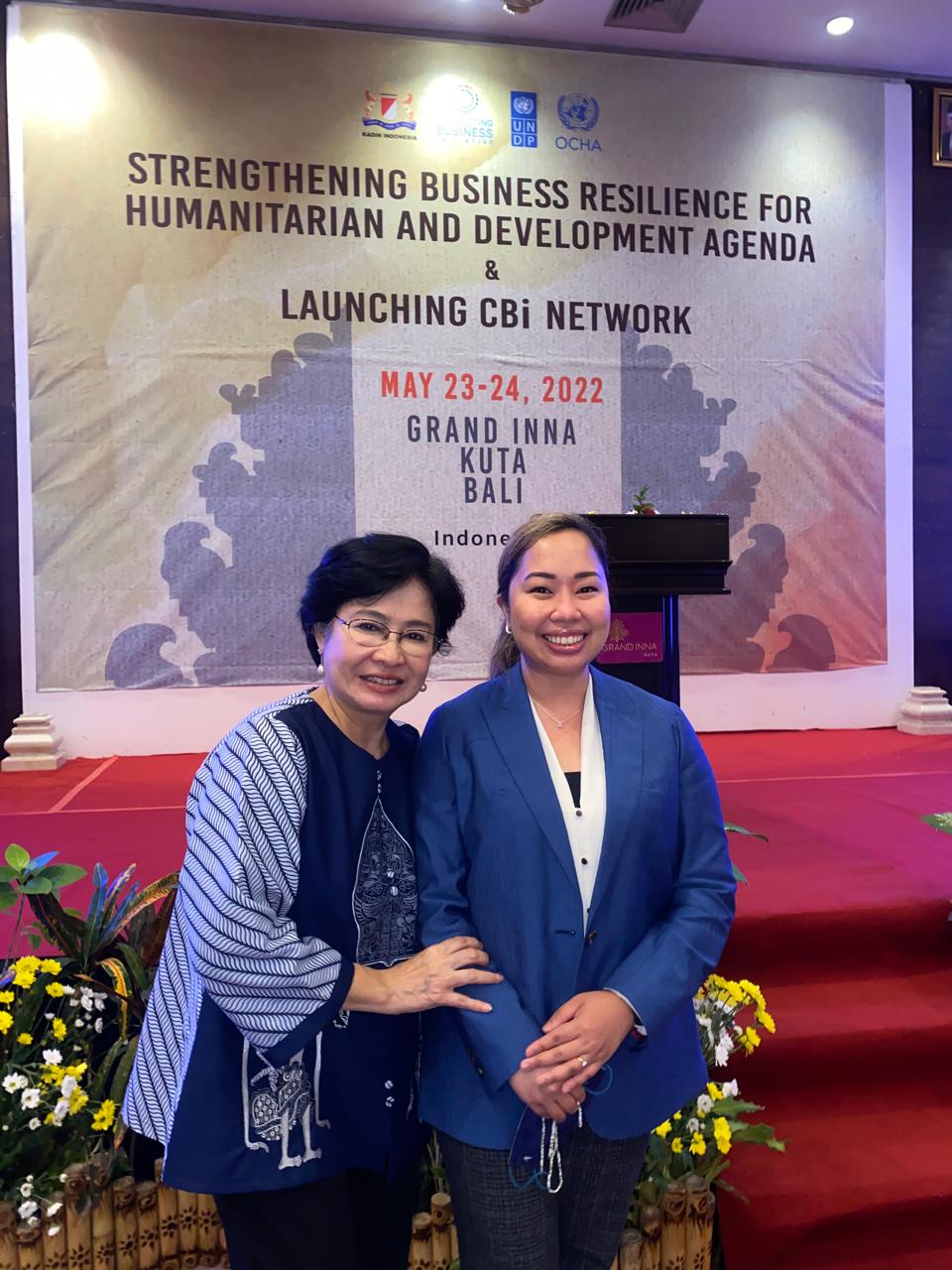
Suryani Motik has been involved with the Indonesian Chamber of Commerce, KADIN – a CBI Member Network – for a few years, leading their disaster management efforts. With her experience in business and with the Indonesian Red Cross, she is a champion for localization and for innovative financing mechanisms to support non-profit entities such as the Red Cross. We interviewed her as part of our series featuring leaders in disaster management and in the context of International Women’s Day 2025.
How did your engagement in private sector disaster management start, and how has it evolved over the years?
Twelve or so years ago, the Vice President of Indonesia, Jusuf Kalla, asked me to get involved with the Indonesian Red Cross and to join the Board Committee as treasurer. When I asked why, he said they needed private sector participation in disasters, and my role as the chairwoman of the Women’s Business Association made my profile a good match.
At the time, I was already a member of KADIN through that role. With them, I was involved in corporate social responsibility (CSR) and good corporate governance (GCG).
A few years ago, KADIN launched a special initiative with its social branch around disaster risk reduction and management. When they looked for candidates, I was at the top of the list due to my Red Cross and CSR experience.
What did you do before you got involved with KADIN?
I have had a few businesses over the years.
A long time ago, I had a pearl diving business, but I stopped because the weather became too unpredictable.
Later, I started a management consulting company that offered research, training, and strategic management support to state-owned and private enterprises as well as micro-, small, and medium (MSME) businesses.
I also used to have a big factory manufacturing roof tiles, but during the first political crisis in 1998, property got hit all over and I had to shut it down.
Then, while waiting for the political and economic crisis to pass – Indonesia had five presidents in three years! – I couldn’t do anything, so I ended up going back to school and getting an “accidental” PhD. I say that because I used to teach and got an offer to teach at Texas A&M, but my husband did not want to do long distance, so I stayed. To kill time, I took the TOEFL and GMAT and registered at the university, where I signed up for business administration courses.
I spent a lot of time on campus and on the golf course during that period! And for my PhD, I did research on one of the biggest companies in Indonesia, Astra, and how their knowledge management framework helped them be one of the first to recover after a crisis.
Then, when the crisis had largely passed and businesses started recovering, I started my own business again and I now have a small factory in Yogyakarta.
I am very engaged with the Indonesian Red Cross, where, as the treasurer, I created sociopreneur companies to fund our work. That includes managing office buildings, manufacturing bags for blood donations, and running a hospital – and I am on the oversight committee as well as acting CEO of all of those efforts.
I am also involved with Tokyo Marine Life Insurance – that’s my “day job” so to speak!
What is an impactful story you can share that exemplifies how local business has made a difference in disaster management?
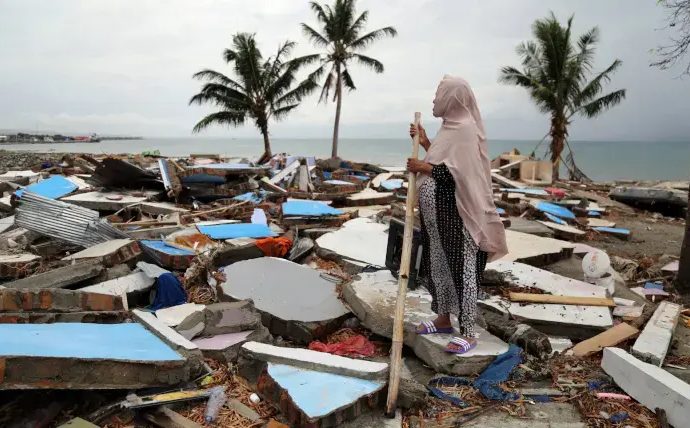
During the recent earthquake in Cianjur, KADIN was very involved and supported the government who was in the lead when it came to emergency response. When it came to kickstarting recovery, KADIN approached the government and suggested they source any products they needed – such as building materials – locally. We guaranteed they would get the best price, and that local businesses would not increase prices due to the scarcity of available resources due to the disaster. That way, recovery efforts don’t just rebuild physical infrastructure, but also help local businesses recover economically.
More recently, well – just yesterday, we had a big flood in Jakarta. It’s Ramadan, so people need early morning breakfast yet they had no time or facilities to cook. My team went out to source bread, and I called big companies – Pizza Hut and Kentucky Fried Chicken to name just two examples – who all provided in-kind donations. I was also contacted by a state-owned enterprise who was asking about the location of the flooding, because they have a “porous beton” type of concrete that can absorb a lot of water, so KADIN is working with them to see how they can get involved.
As a third and last example – though these are just a few, and as you can imagine there are many more I could choose from! – KADIN worked with USAID on disaster preparedness. We developed a “Business Neighborhood Resilience Framework” and once a micro or small business fills out the form, they can access anti-bankruptcy micro insurance through an MOU we signed with an insurance company.
What are some of your interests or passions outside of disaster management?
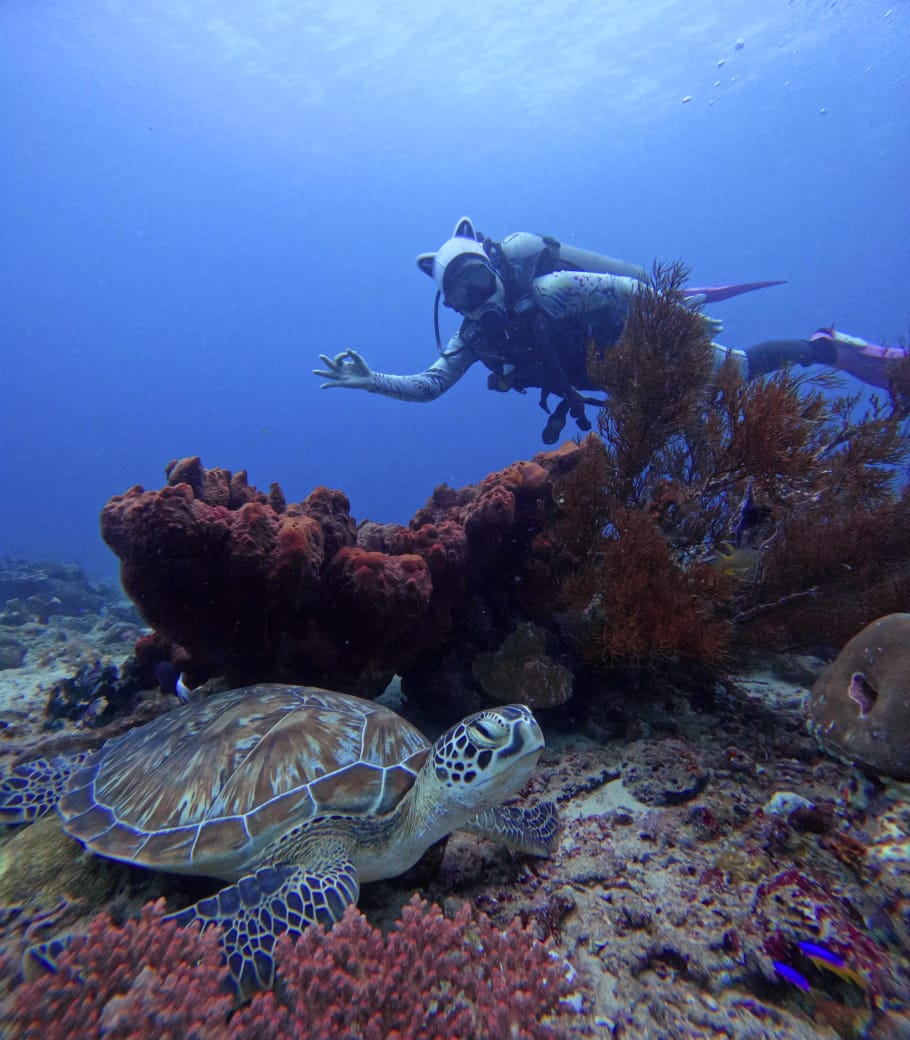
I love sports: I have a brown belt in the Indonesian martial art “silat”, but I also enjoy golfing, diving, swimming and walking.
My daughter and my son are also into diving – it’s the family sport! I got into it because a long time ago, I used to own a pearl business (I stopped because it’s very weather dependent).
I have met a lot of people from around the world who come to Indonesia to dive. They said it’s the Mekka for the divers.
What advice do you have for women starting out in the private sector disaster management space?
Working with disasters, you have to be patient, otherwise it will feel like a waste of time – but you see the happiness and gratitude of the people whose business you helped recover, it’s more satisfying than any profit you could earn by just working on your own company.
Do you have a message for youth?
Young people are very smart, especially in Indonesia, when it comes to technology and digital everything – but they mostly interact with the world through a digital interface or a screen, and I think it’s really important that they get out into the world and interact with people. The feeling is completely different.