How the Filipino Private Sector Responded to 6 Tropical Cyclones
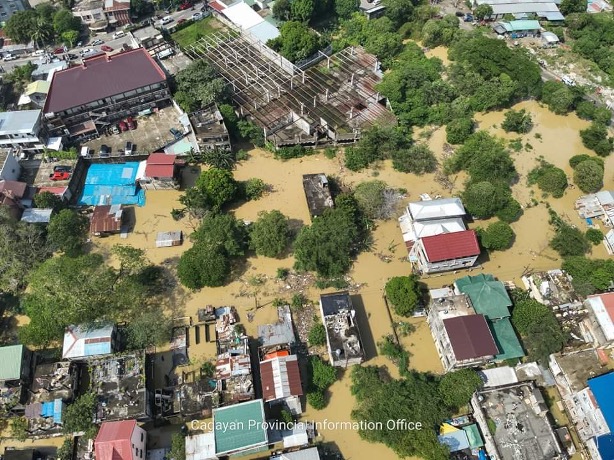
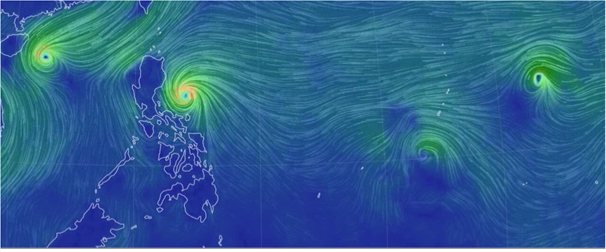
In November this year, no less than six tropical cyclones landed in the Philippines, causing much destruction, flooding, and landslides, affecting over 9 million people across the archipelago.
In support of the government-led response, the Philippine Humanitarian Country Team (HCT) published a Humanitarian Needs and Priorities Plan.
How the private sector monitored weather systems & providing early warnings
Monitoring the unfolding situation and sharing real-time updates through their Business-led Emergency Operations Center, the Philippine Disaster Resilience Foundation (PDRF) hosted two virtual Network Briefings with its members and partner companies to provide early warnings, assess the impact of the tropical cyclones, and plan response and recovery efforts. During these briefings, participants discussed immediate needs, identified gaps in affected areas, and collaboratively developed targeted resource mobilization plans, exemplifying the private sector’s unified commitment to disaster preparedness and response.
How business supported the response to six tropical cyclones
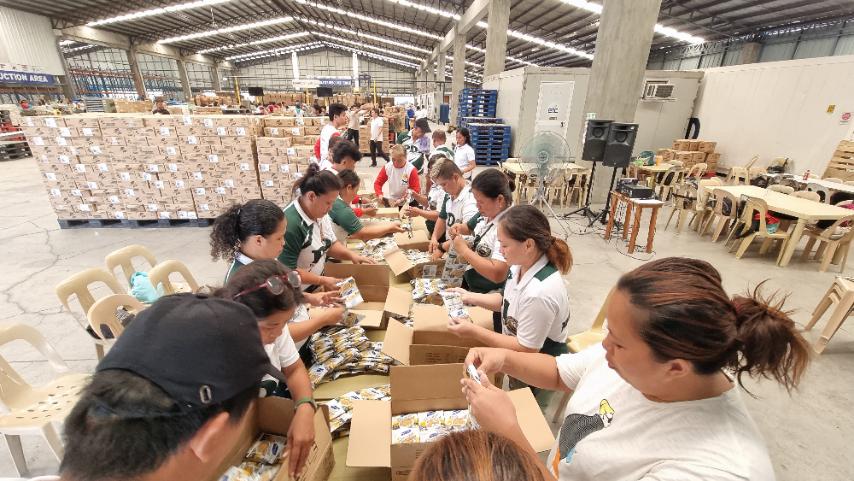
Once the tropical cyclones began making landfall, PDRF mobilized the private sector to respond to the cumulative emergencies, providing widespread relief and support across affected regions. In collaboration with its members and partners, PDRF mobilized in-kind donations valued at USD 736,075, benefiting 64,930 families. These contributions included food packs and hot meals, water, hygiene kits, and fuel.
Key contributions included:
Telecommunications: Member companies Globe Telecom and Smart Communications restored telecommunications in the Bicol Region and provided free load credits, calls, texts, data, and charging stations in evacuation centers to ensure connectivity for evacuees and responders.
Water, Sanitation and Hygiene: Manila Water Foundation and Coca-Cola Foundation provided safe drinking water to affected communities.
Logistics: UPS-Delbros, Metro Pacific Tollways, and DHL supported logistics by transporting food packs, hygiene kits,and drinking water, to the Bicol Region and Cagayan Valley.
Food Assistance: Jollibee Group Foundation and McDonald’s Kindness Kitchen provided meals to evacuees and responders, addressing immediate nutritional needs.
Health: Generika, through PDRF and World Health Organization, provided water purification tablets and doxycycline to the Bicol Region to prevent waterborne diseases.
Food and Non-Food: Partners such as the Ayala Foundation, Alagang Kapatid Foundation, and other MVP Group Foundations distributed relief items to affected areas in Calabarzon, the Bicol Region, Central Luzon, and Cagayan Valley.
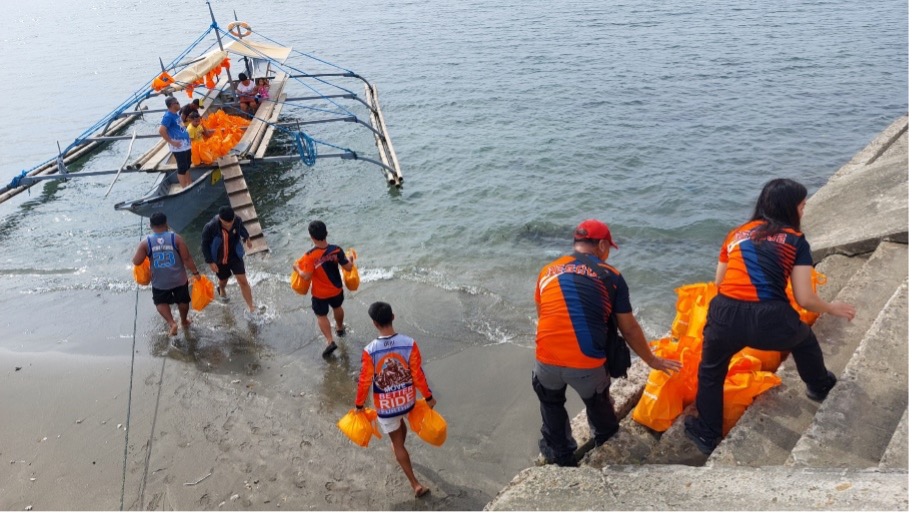
These efforts were made possible through collaboration with the League of Corporate Foundations and other partners, underscoring the power of public-private partnerships in delivering effective disaster response.
The aftermath: Working on recovery
The PDRF network is also engaging in recovery efforts, targeting support for livelihoods, particularly in the agriculture and fisheries sectors.
Planned interventions include the distribution of fishing equipment to support immediate recovery, along with training programmes on climate-resilient farming and sustainable fishing practices. Additionally, PDRF is working closely with local government agencies to support re-establishing market linkages, ensuring long-term economic recovery and resilience for farmers and fisherfolk impacted by the tropical cyclones.