

OVERVIEW
RISK PROFILE
Few countries live as close to nature’s extremes as Chile. Stretched along the Pacific Ring of Fire, it ranks among the most exposed nations on the planet to earthquakes, tsunamis and volcanic eruptions — and a warming climate is adding new pressure, straining fisheries, aquaculture, forestry, agriculture and livestock while fuelling the intense wildfires seen across the country in recent years. On top of this, El Niño conditions took hold in the Pacific in mid-2026 and are expected to strengthen into 2027, a shift that tends to bring heavier rains and flooding to central Chile and disrupt its coastal fisheries
Ecuador is highly exposed and vulnerable to natural hazards such as earthquakes, volcanic eruptions, floods, landslides, and the increasing impacts of climate change. In 2016, the country was intensely affected by the El Niño phenomenon, and expects high levels of flooding in 2023 as well. With an economy that is highly dependent on natural resources, Ecuador is particularly vulnerable to climate change both in terms of the impact of extreme weather events but also in terms of their economic impact.
CBI will support CIP in their disaster risk management (DRM) efforts, of which one goal is to build the capacity of the chamber around how to engage and strengthen the Ecuadorian private sector resources in DRM.
To learn more about the network, please go to the Cámara de Industrias y Producción (CIP) website.
Network at a glance
Host organization
Non-profit organization
Headquarters
Quito, Ecuador
Number of members
62 sectors and individual companies
Scale / Business reach
N/A
Contact person
Maria José Hernández
Contact email
info@cip.org.ec
Areas of focus
Drought, Earthquake, Extreme temperature, Flood, Landslide, Tsunami, Volcanic activity, Wildfire
latest from Ecuador

Ecuador creates a trust for disaster management
A trust is a legal arrangement that ensures that funds are utilized for a specific purpose. In Ecuador, the Chamber of Industries and Production…
Ecuador creates a trust for disaster management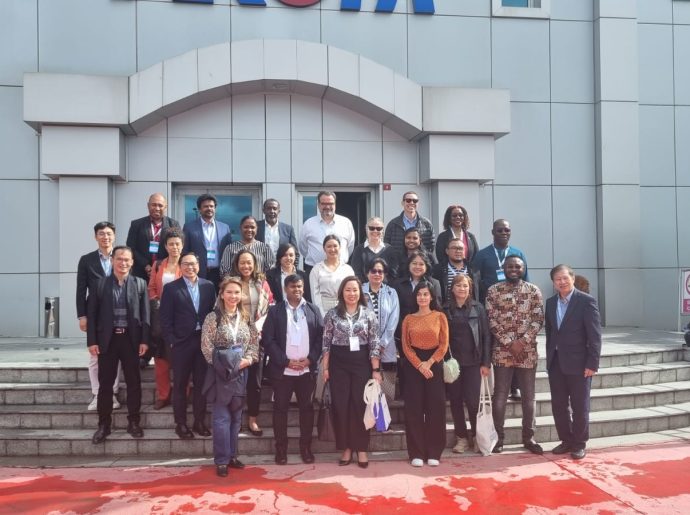
The Connecting Business initiative welcomes new partners from the Caribbean, Ecuador, Kenya, and the Pacific
Today, two new countries and two regions joined the Connecting Business initiative (CBI) as partners, known as Member Networks. They were welcomed during a…
The Connecting Business initiative welcomes new partners from the Caribbean, Ecuador, Kenya, and the Pacific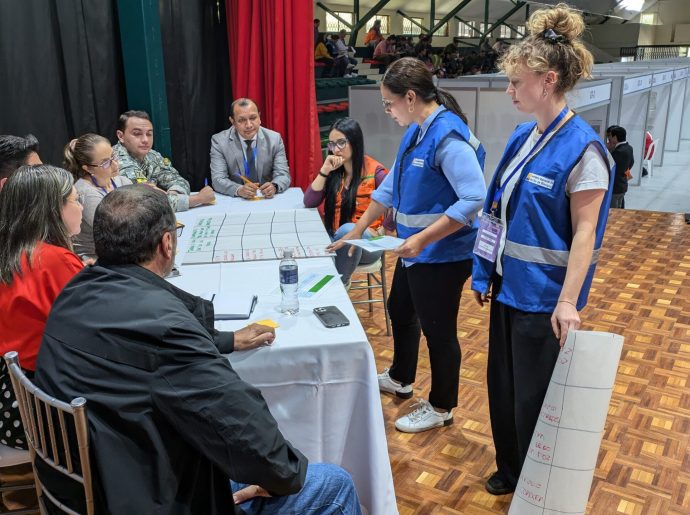
When Business Meets Crisis: Lessons from Ecuador’s Earthquake Response Exercise
Imagine you are in an emergency response meeting when the power cuts out. WiFi dies. Communications break down. Your carefully planned coordination system is…
When Business Meets Crisis: Lessons from Ecuador’s Earthquake Response Exercise
Fostering Resilience: A learning exchange between Ecuador and the Philippines
In September this year, a delegation from Ecuador that included the CBI Member Network, the Cámara de Industrias y Producción (Chamber of Industries and…
Fostering Resilience: A learning exchange between Ecuador and the Philippines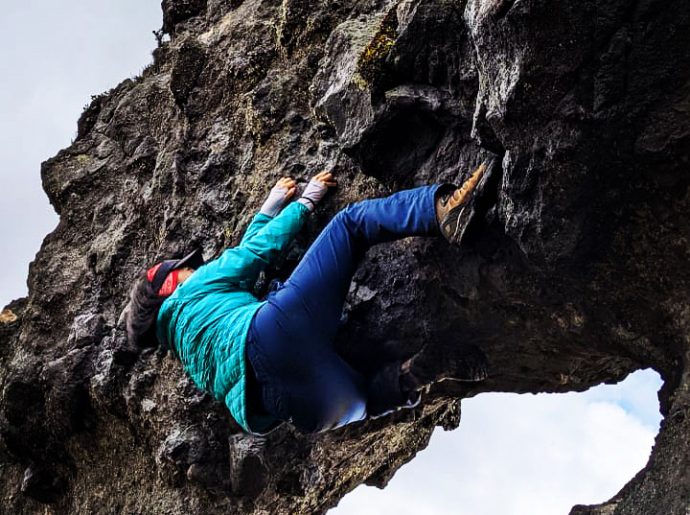
An interview with sports- and businesswoman María José Hernández from Ecuador
María José Hernández has been engaged with the Ecuadorian Chamber of Industries and Production – a CBI Member Network – since she was an…
An interview with sports- and businesswoman María José Hernández from Ecuador